COLORSTORM · GUIDE
Useful tips for renovation and painting
Clear, practical answers to common questions about paint, surface preparation and finishing — without turning every article into a product advertisement.
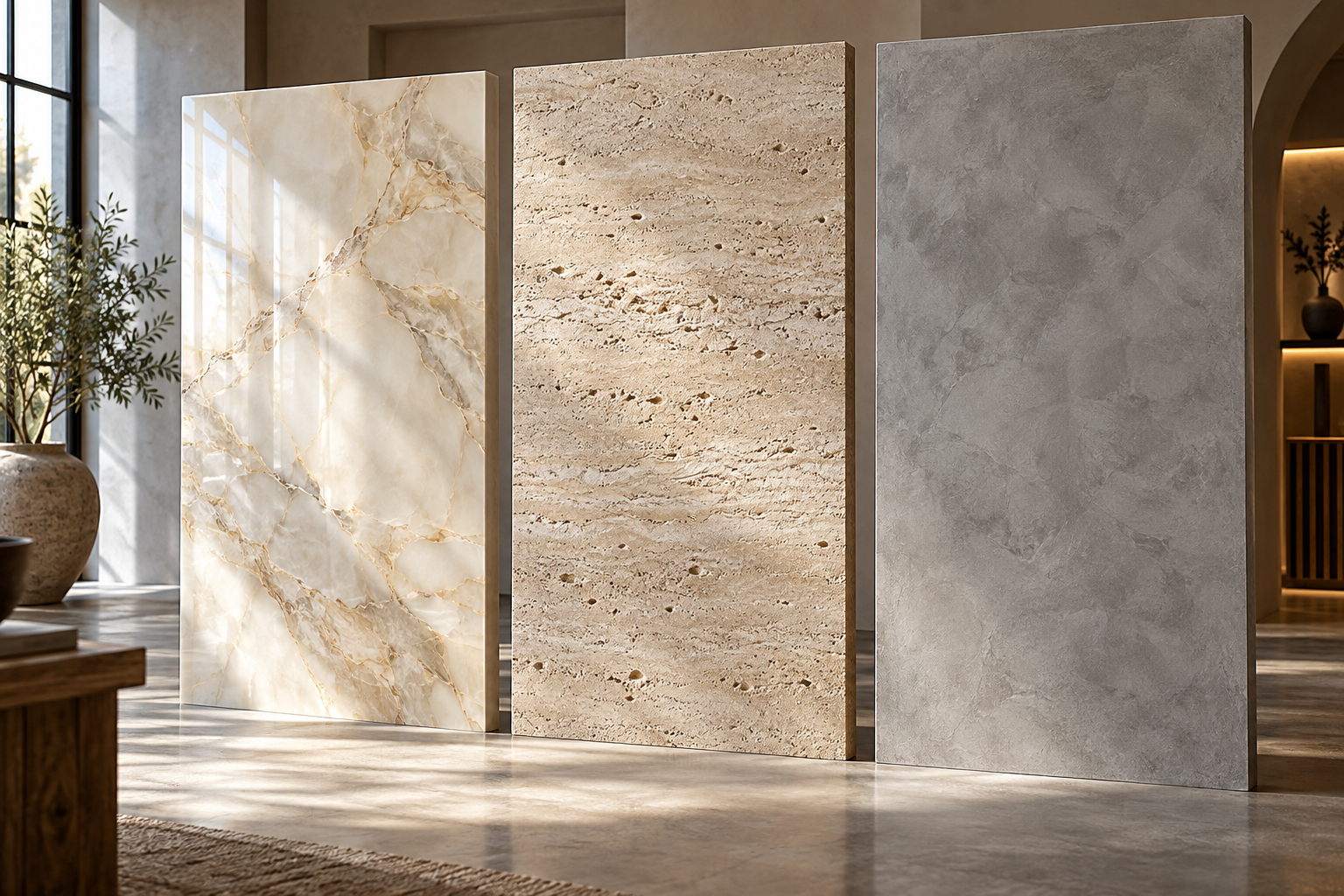
Venetian Plaster, Travertine, Concrete and Other Decorative Finishes — What Is the Difference?
Learn how popular decorative wall finishes differ in texture, appearance and interior style.
Read article →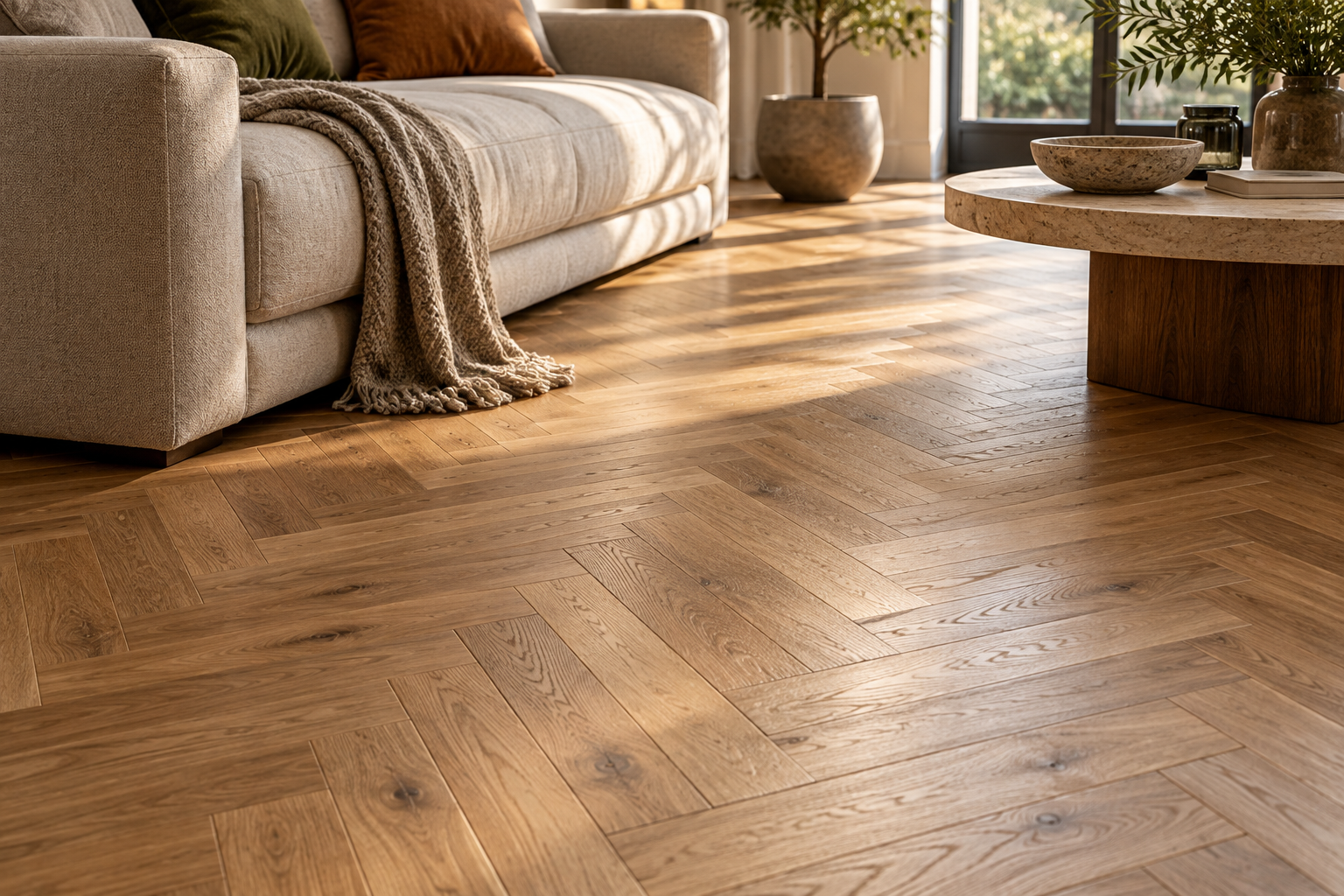
Varnish or Oil for Parquet — Which Should You Choose?
Compare varnish and oil for parquet in terms of appearance, durability, maintenance and repair.
Read article →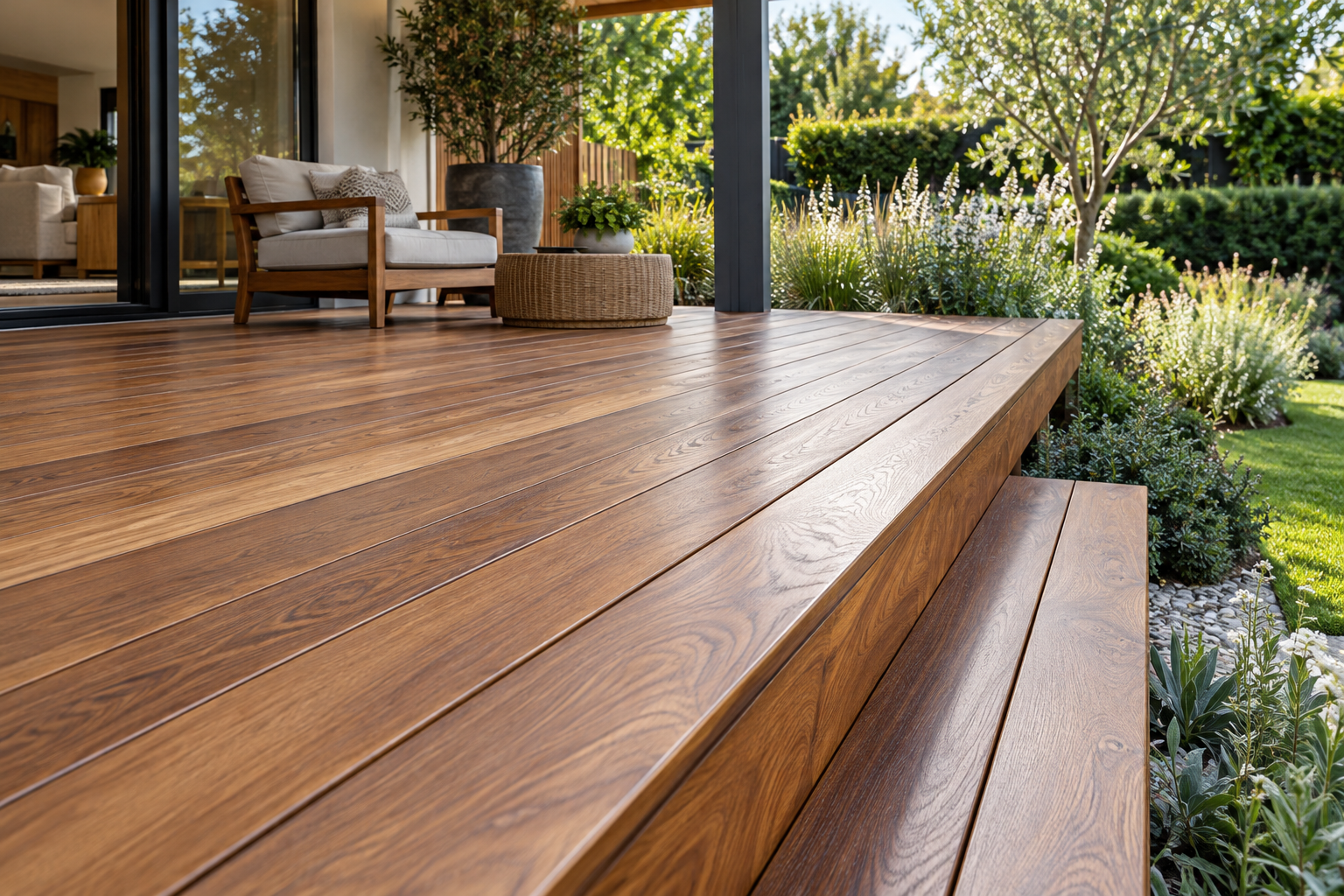
How to Protect Wood from Moisture
Learn how proper coating and maintenance help prevent swelling, discoloration and moisture damage in wood.
Read article →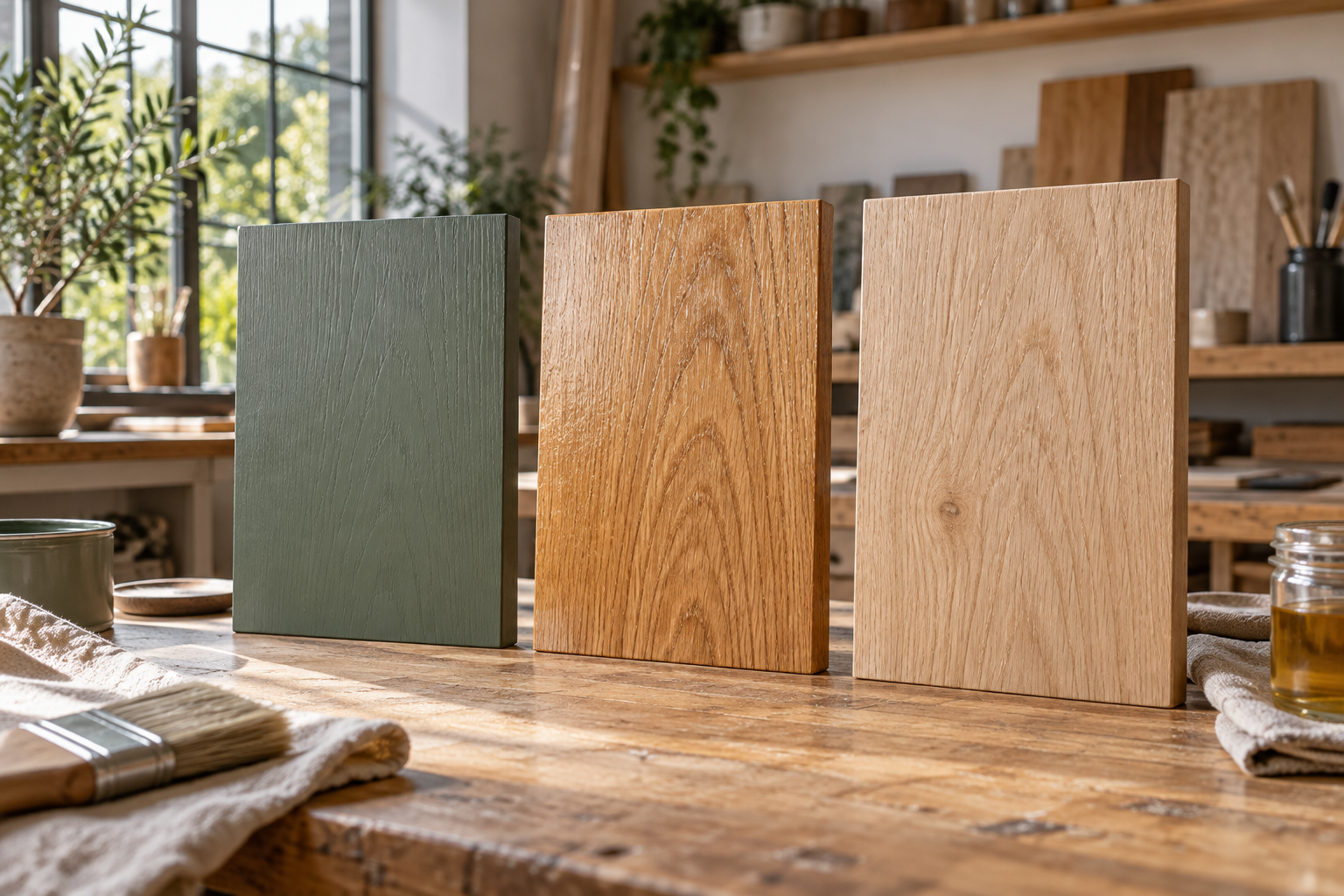
Paint, Varnish or Oil for Wood — Which Should You Choose?
Learn the difference between paint, varnish and oil and how each changes the appearance and protection of wood.
Read article →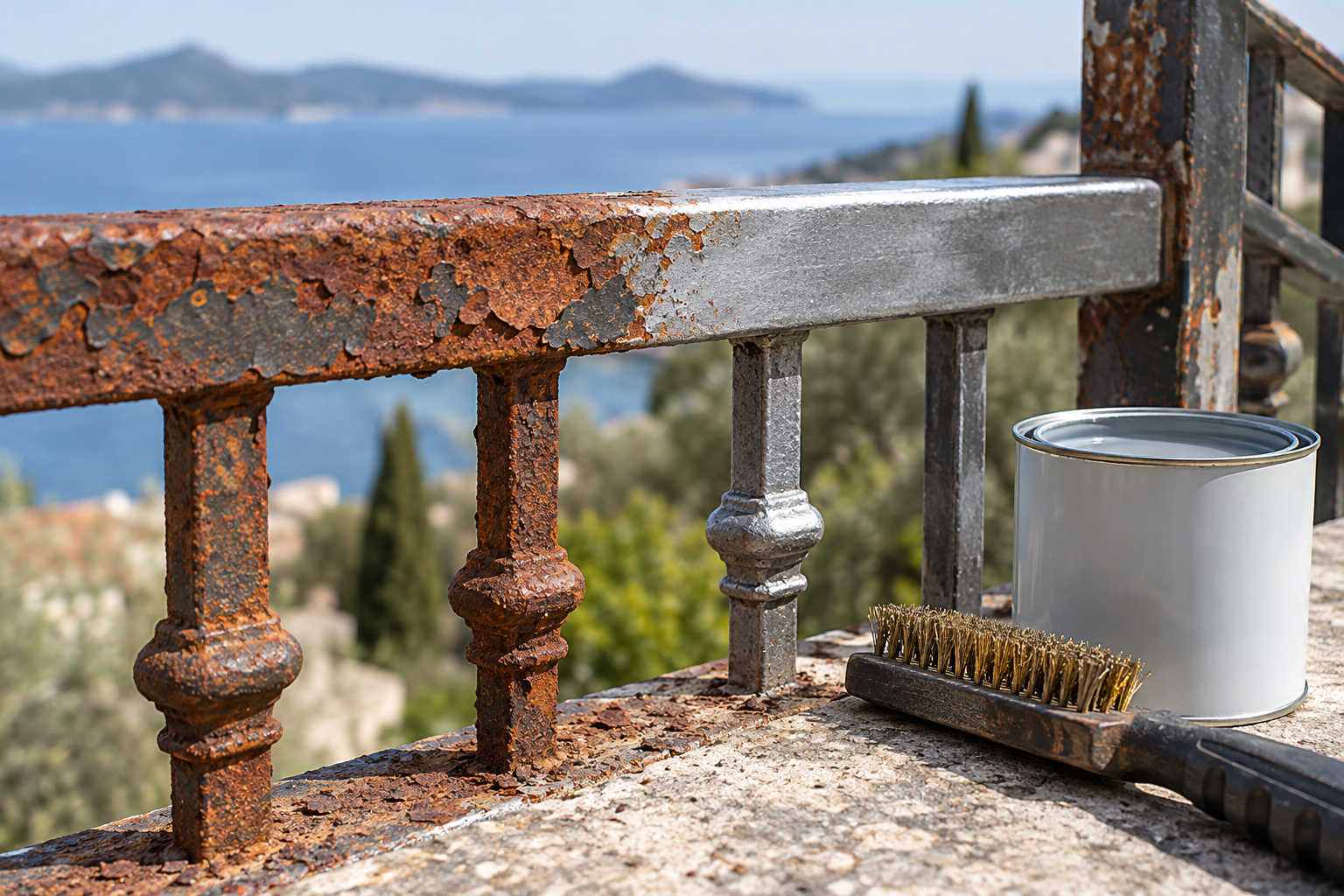
How to Prepare and Paint Rusty Metal
Learn how to remove loose rust, prepare the surface and apply a suitable protective coating system.
Read article →
How to Prepare Metal for Painting
Learn how to remove dirt, loose paint and corrosion before applying primer and paint to metal.
Read article →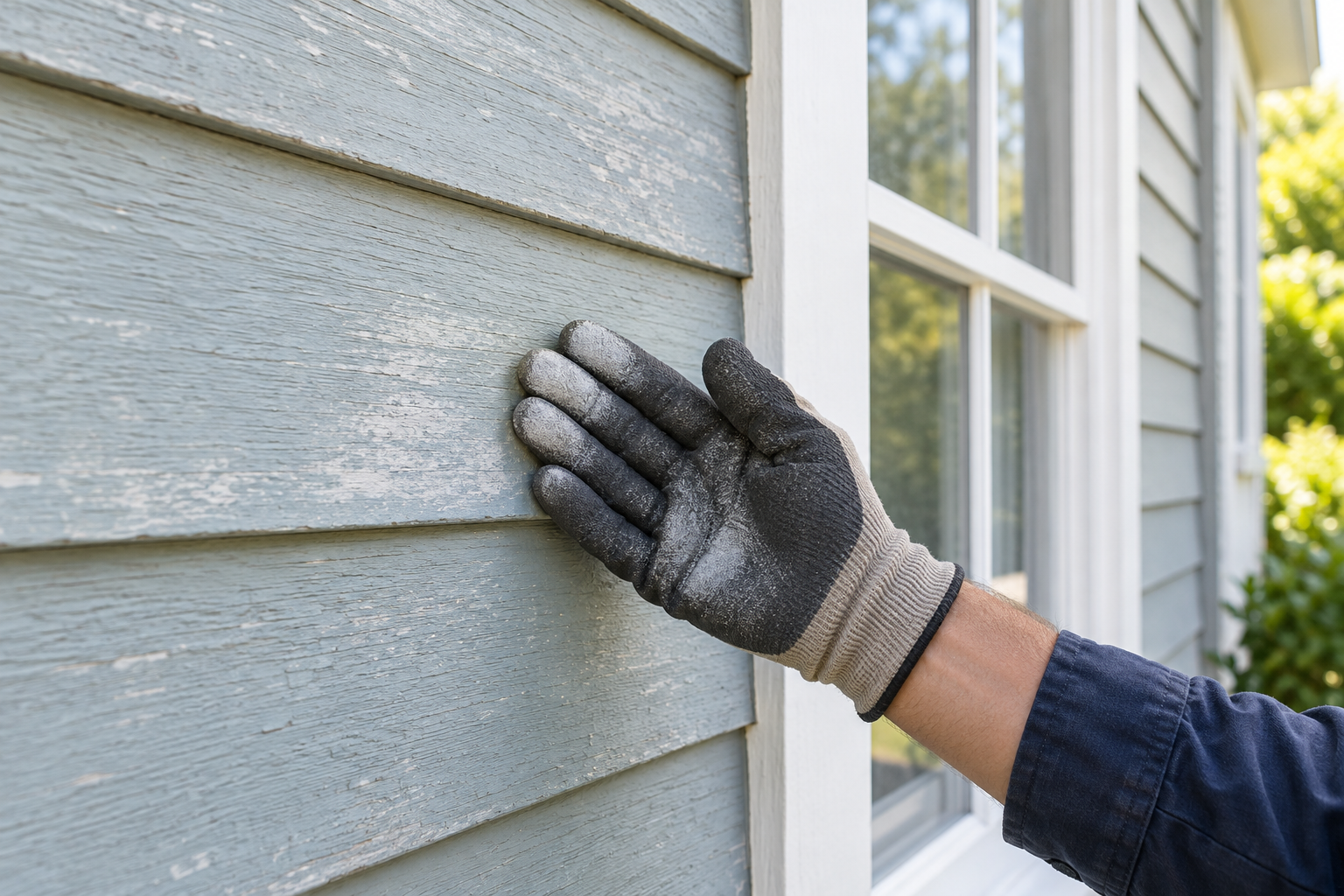
How Often Should You Repaint a Facade?
Learn which factors affect exterior paint life and which warning signs show that a facade may need maintenance.
Read article →
Why Should You Avoid Painting a Facade in Strong Direct Sunlight?
Learn how direct sunlight and high surface temperatures can affect drying, adhesion and the final appearance of exterior paint.
Read article →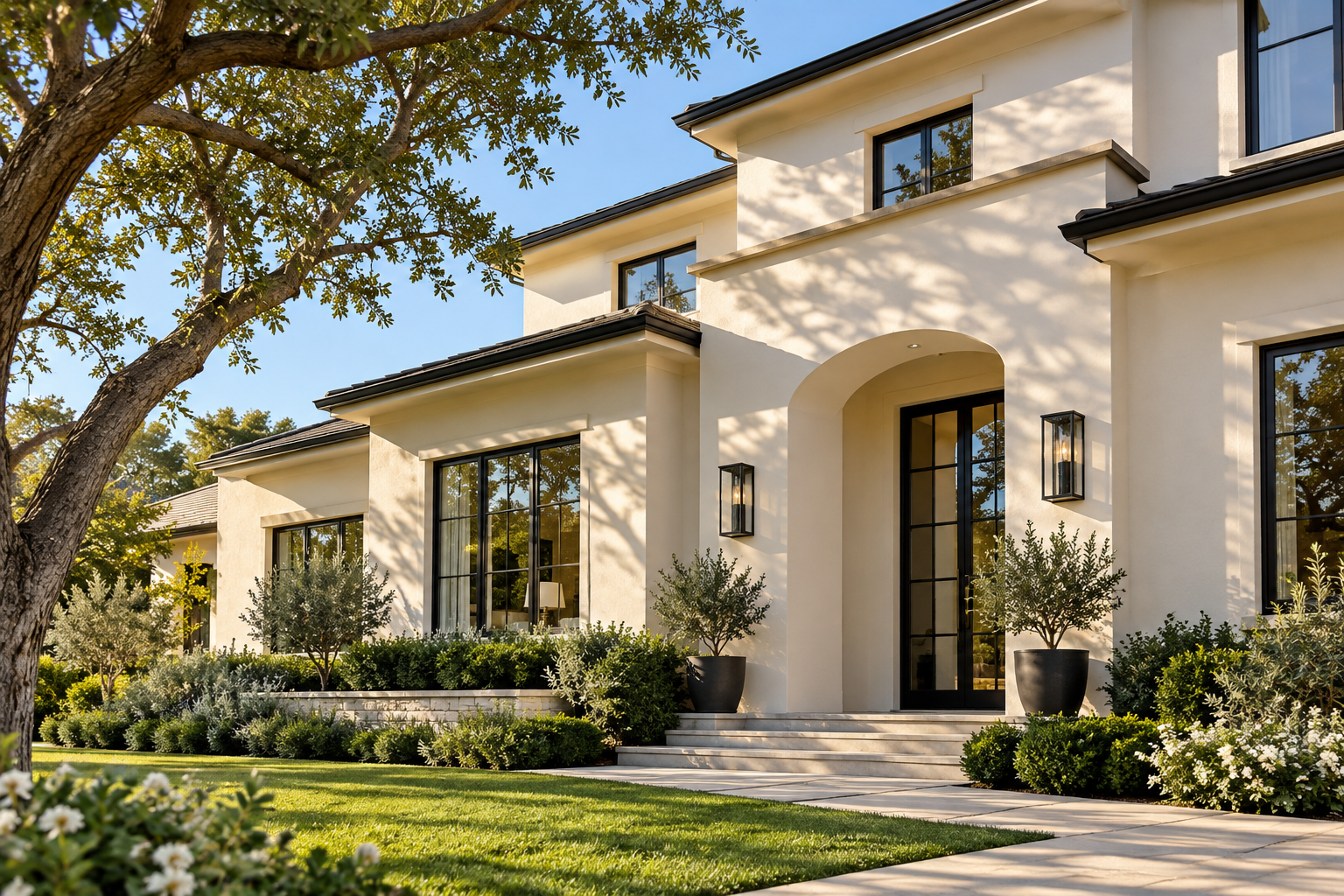
What Weather Is Best for Painting a Facade?
Learn how temperature, humidity, rain and wind affect exterior paint application and drying.
Read article →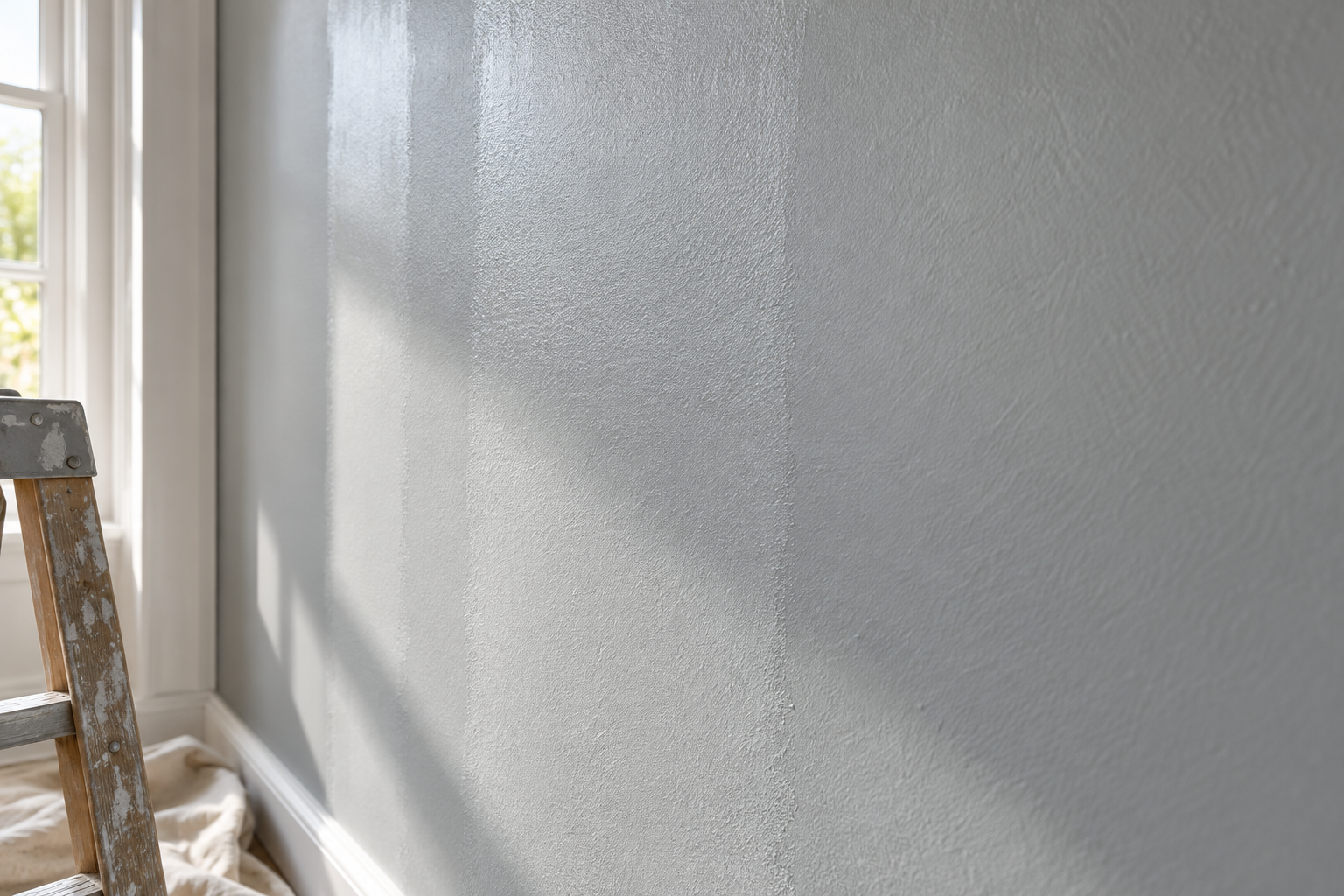
Why Do Roller Marks Remain After Painting?
Learn what causes visible roller marks and how correct pressure, paint loading and wet-edge technique can prevent them.
Read article →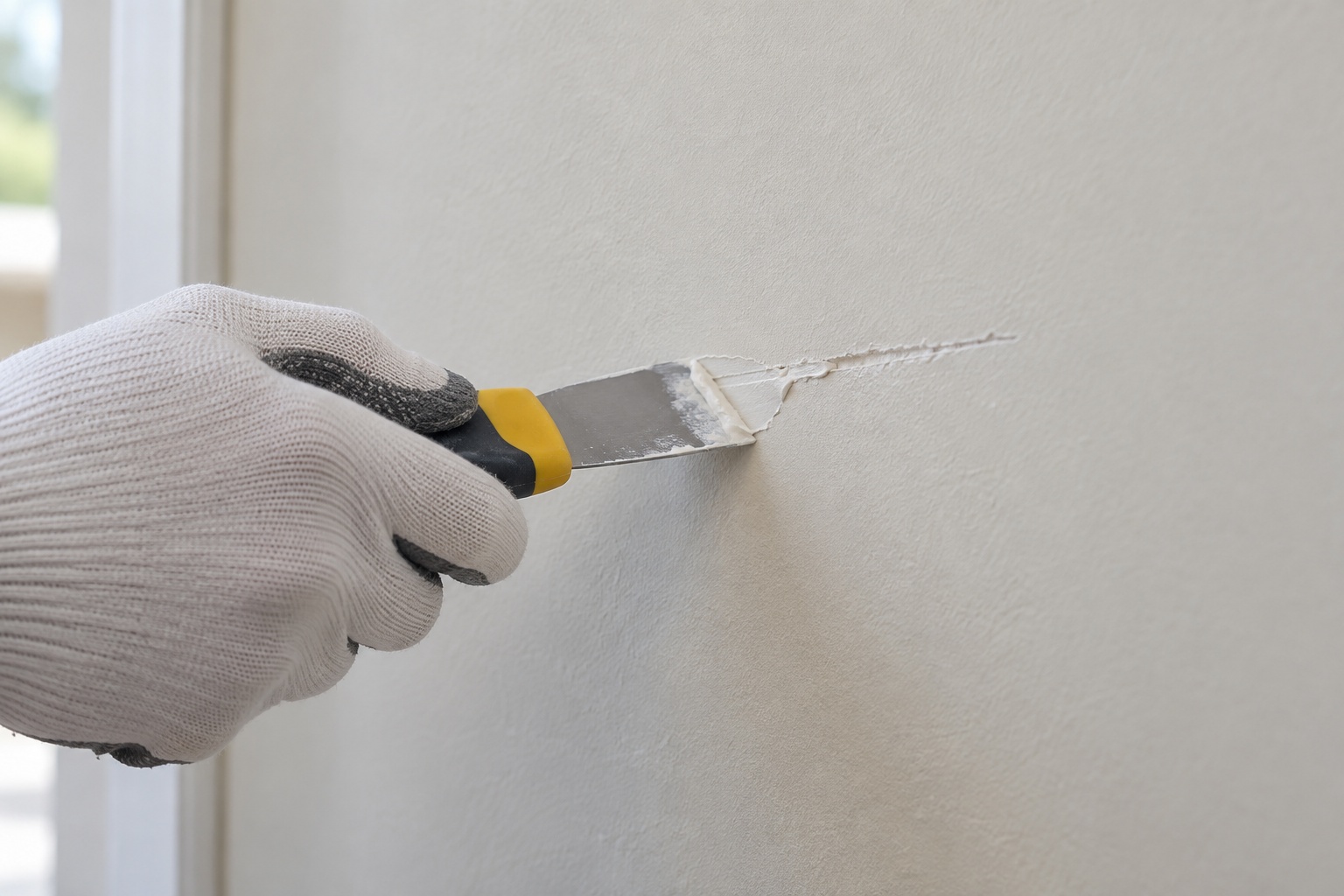
How to Touch Up a Painted Wall
Learn how to repair small scratches or marks without repainting the entire wall.
Read article →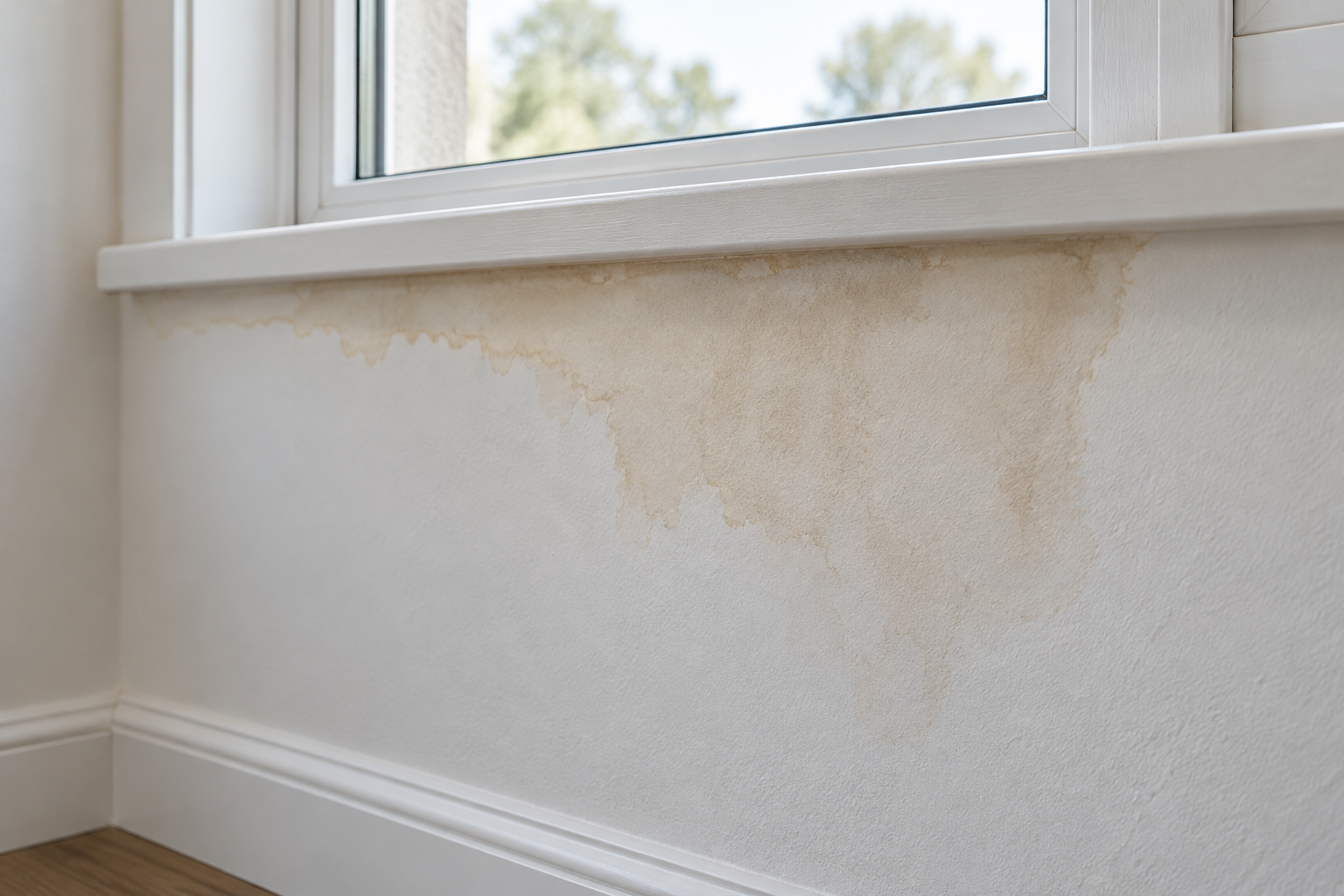
Why Do Old Stains Bleed Through New Paint?
Learn why water, smoke and other stains can reappear through fresh paint and how stain-blocking preparation helps.
Read article →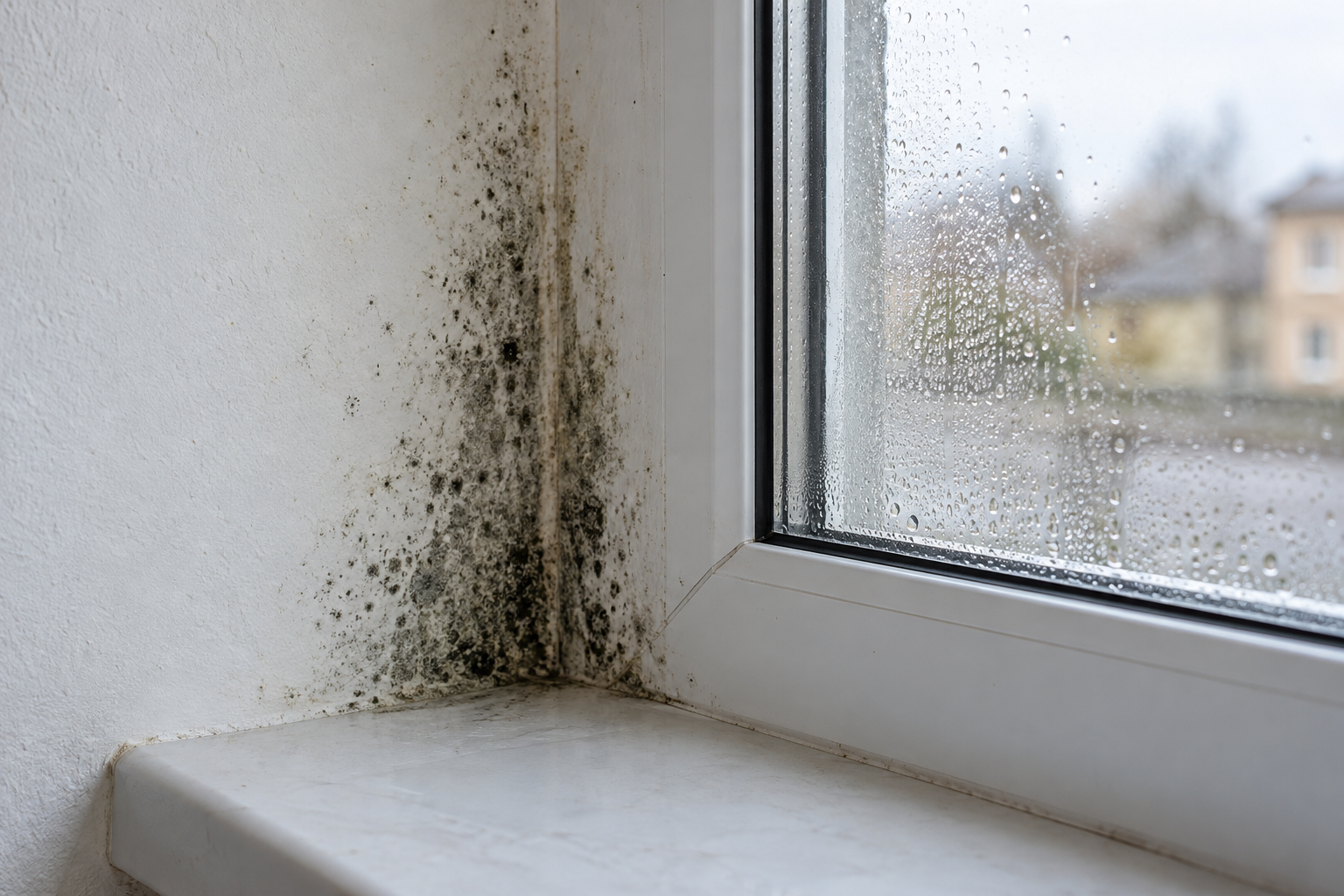
What to Do If There Is Mold on the Wall
Learn why mold should not simply be painted over and how moisture control and proper preparation matter.
Read article →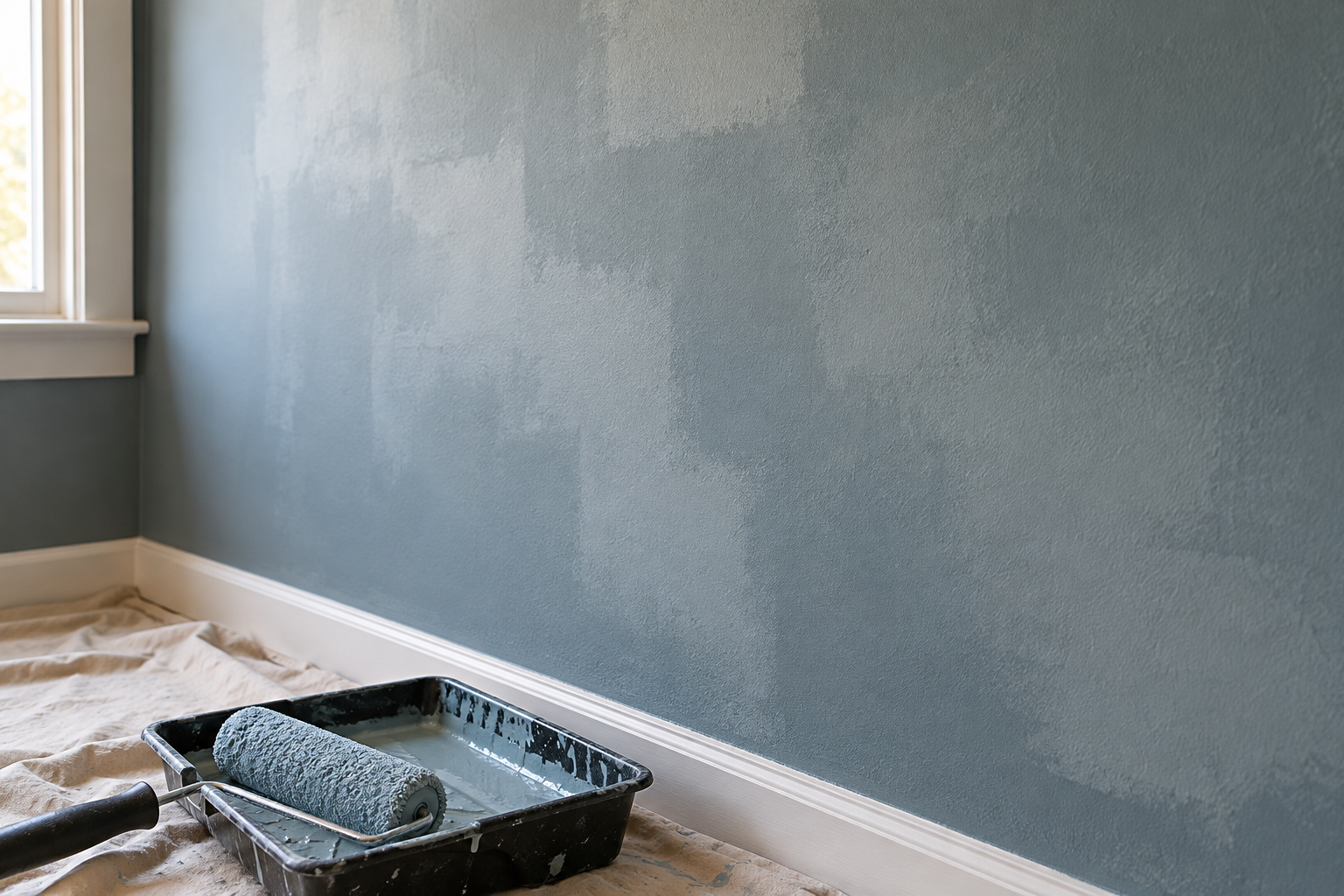
Why Does Paint Look Patchy on a Wall?
Learn what causes patchy or uneven paint color and how proper preparation and application can prevent it.
Read article →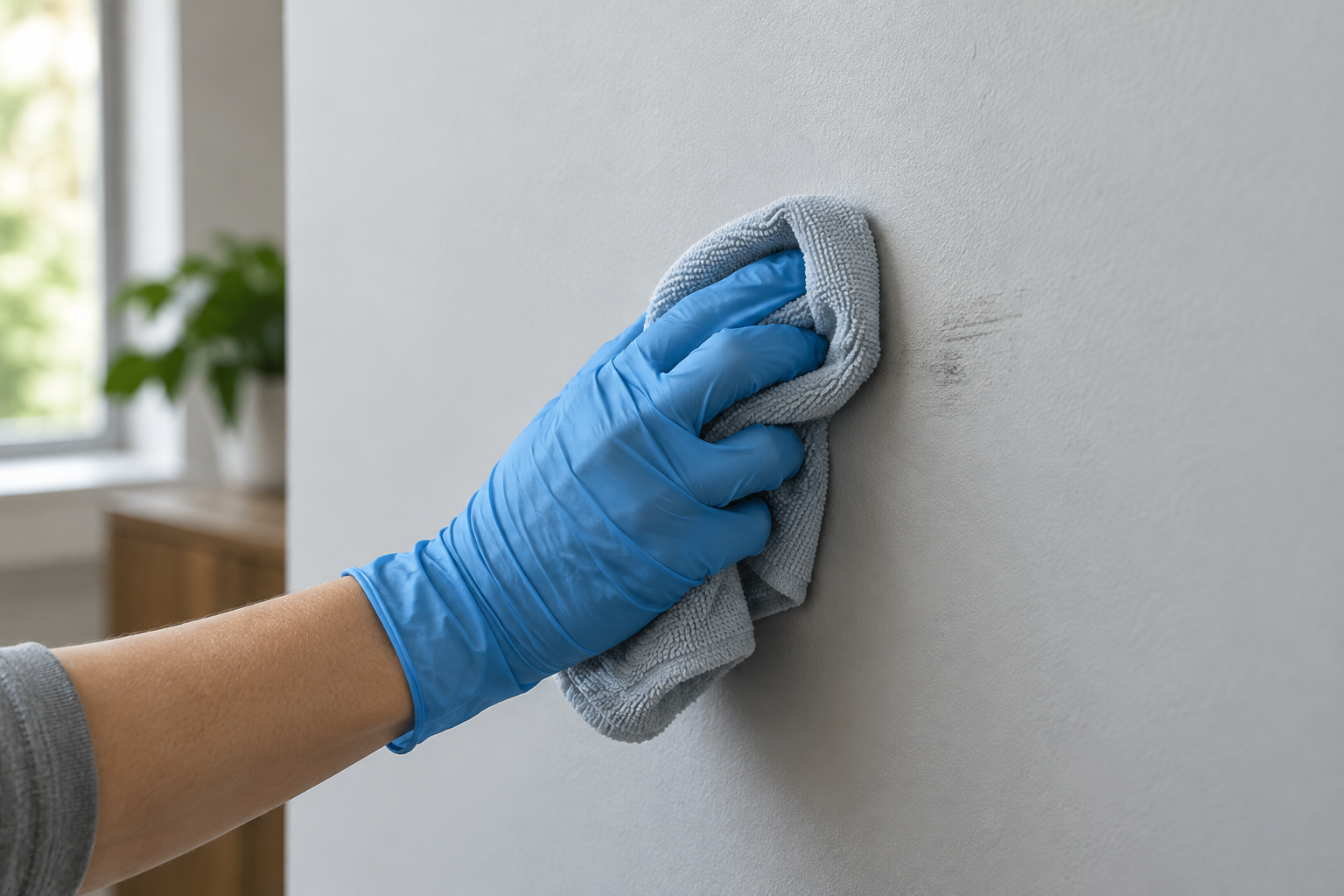
What Is Washable Paint and Where Should It Be Used?
Learn what washable paint means and where this type of coating is most useful in the home.
Read article →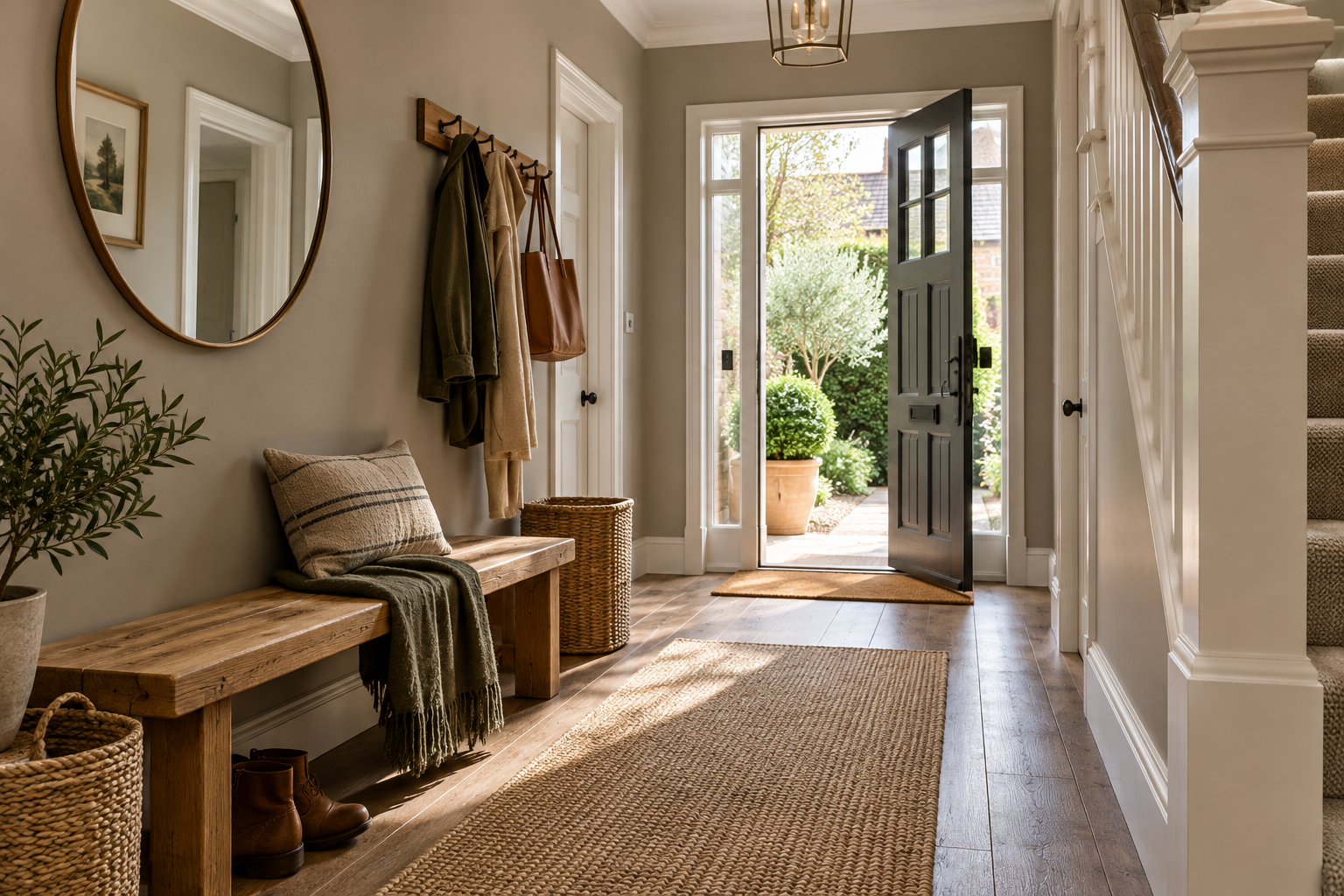
How to Choose Paint for Hallways and High-Traffic Areas
Learn how to choose a durable, washable paint for hallways, entrances and other frequently used spaces.
Read article →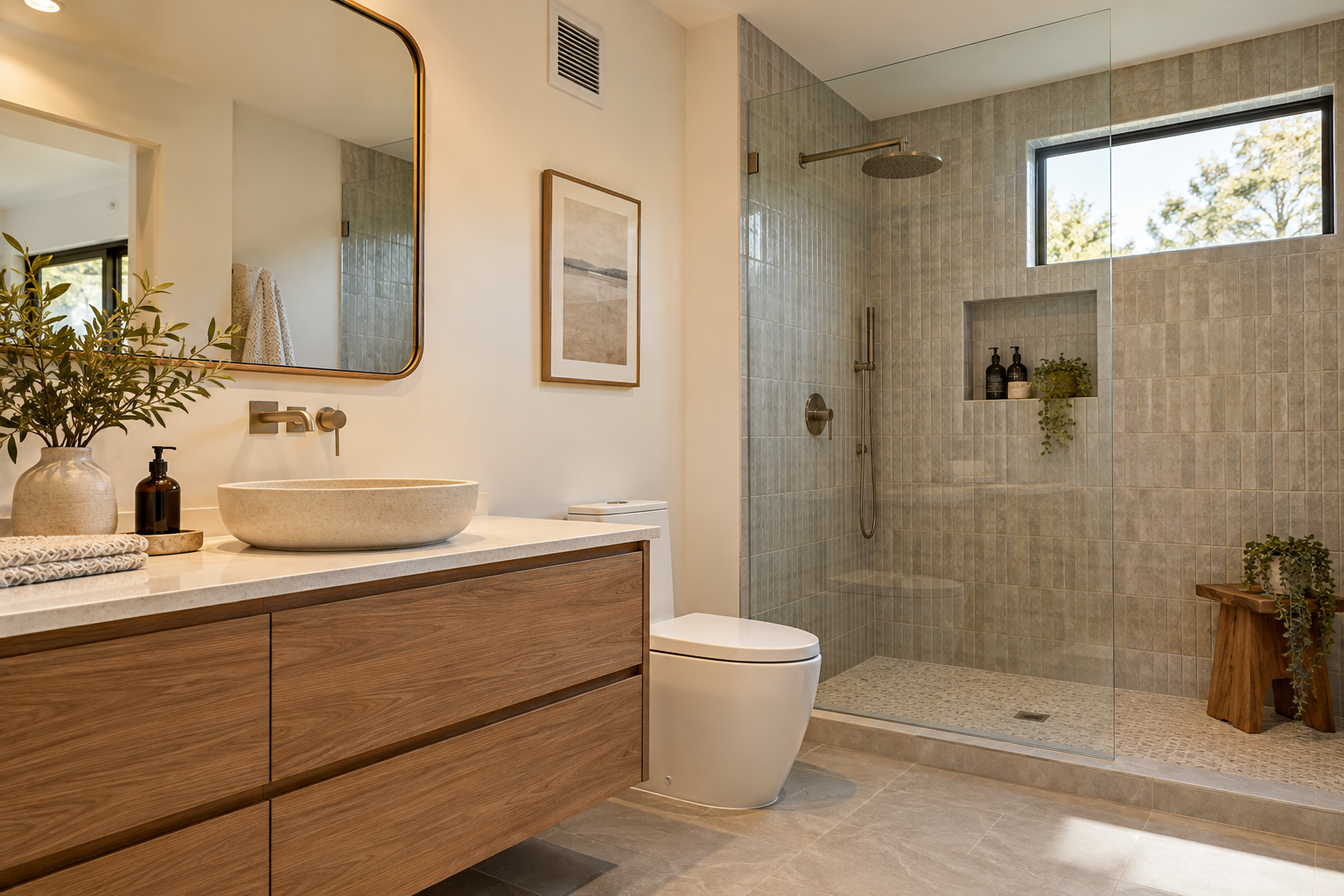
How to Choose Paint for a Bathroom and Humid Rooms
Learn what to look for in paint for bathrooms and other humid spaces, including moisture resistance and washability.
Read article →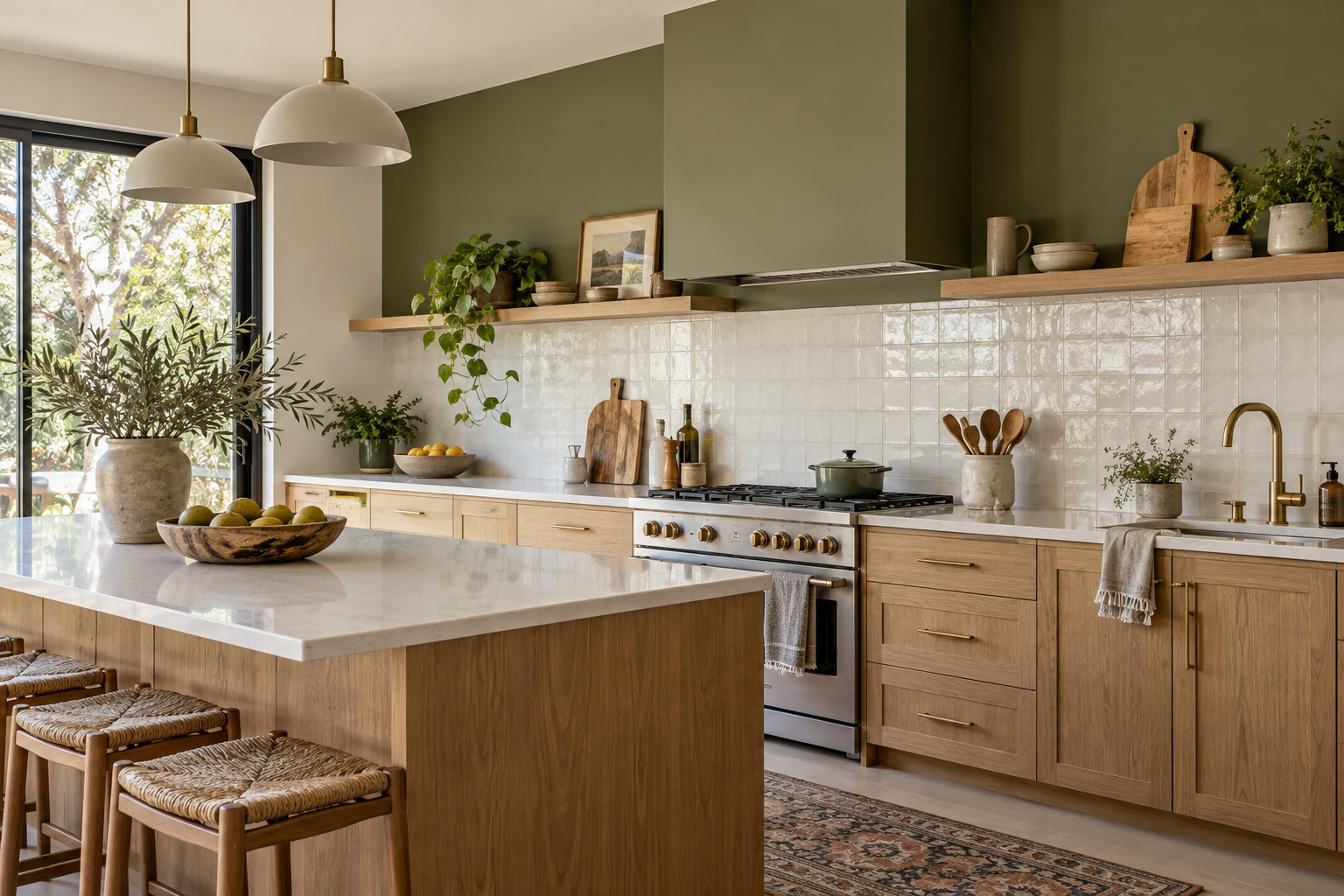
How to Choose Paint for a Kitchen
Learn which paint properties matter most in a kitchen, including washability, moisture resistance and easy cleaning.
Read article →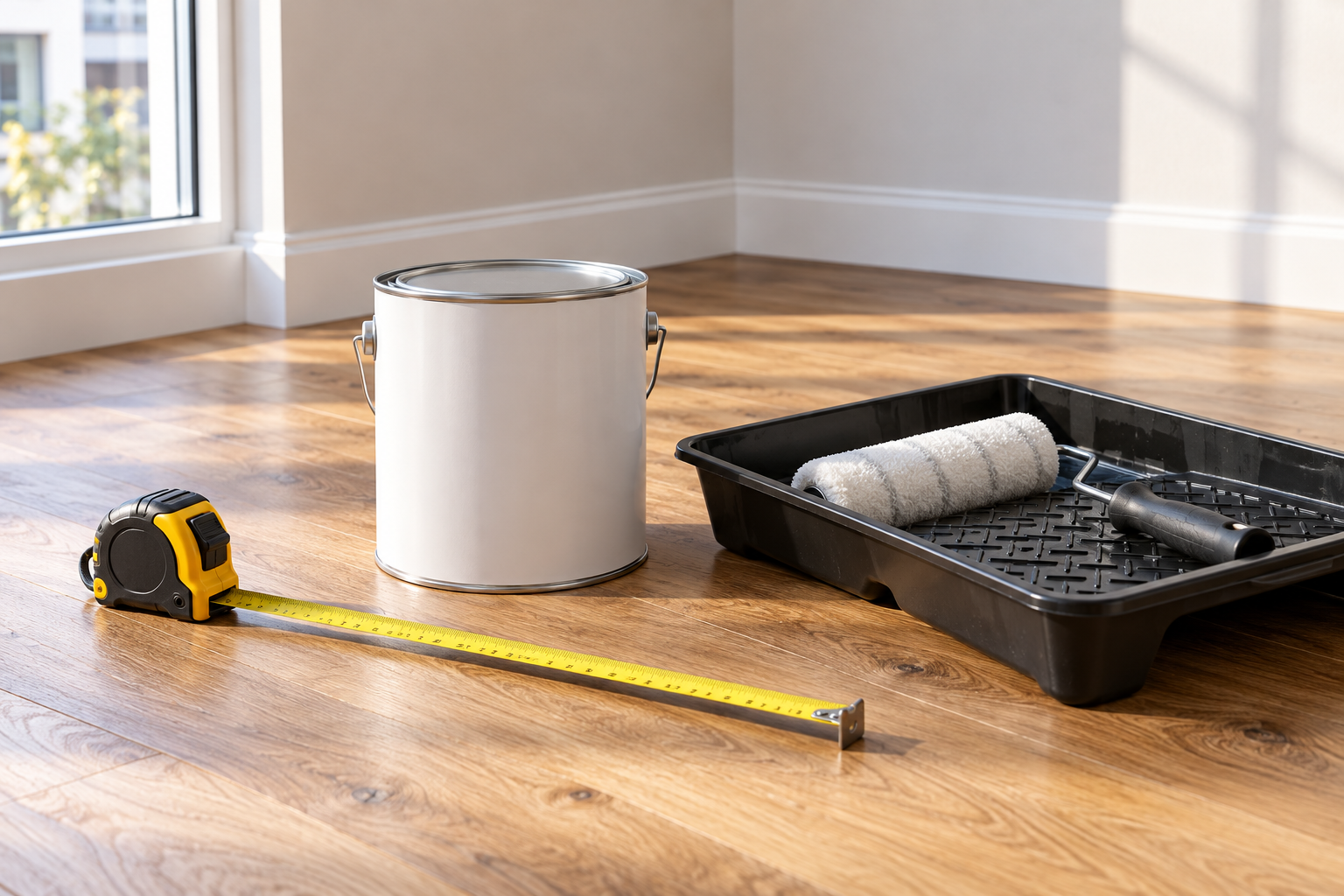
How to Calculate How Much Paint You Need for a Room
Learn how to estimate paint quantity using wall area, number of coats and the coverage rate shown on the product.
Read article →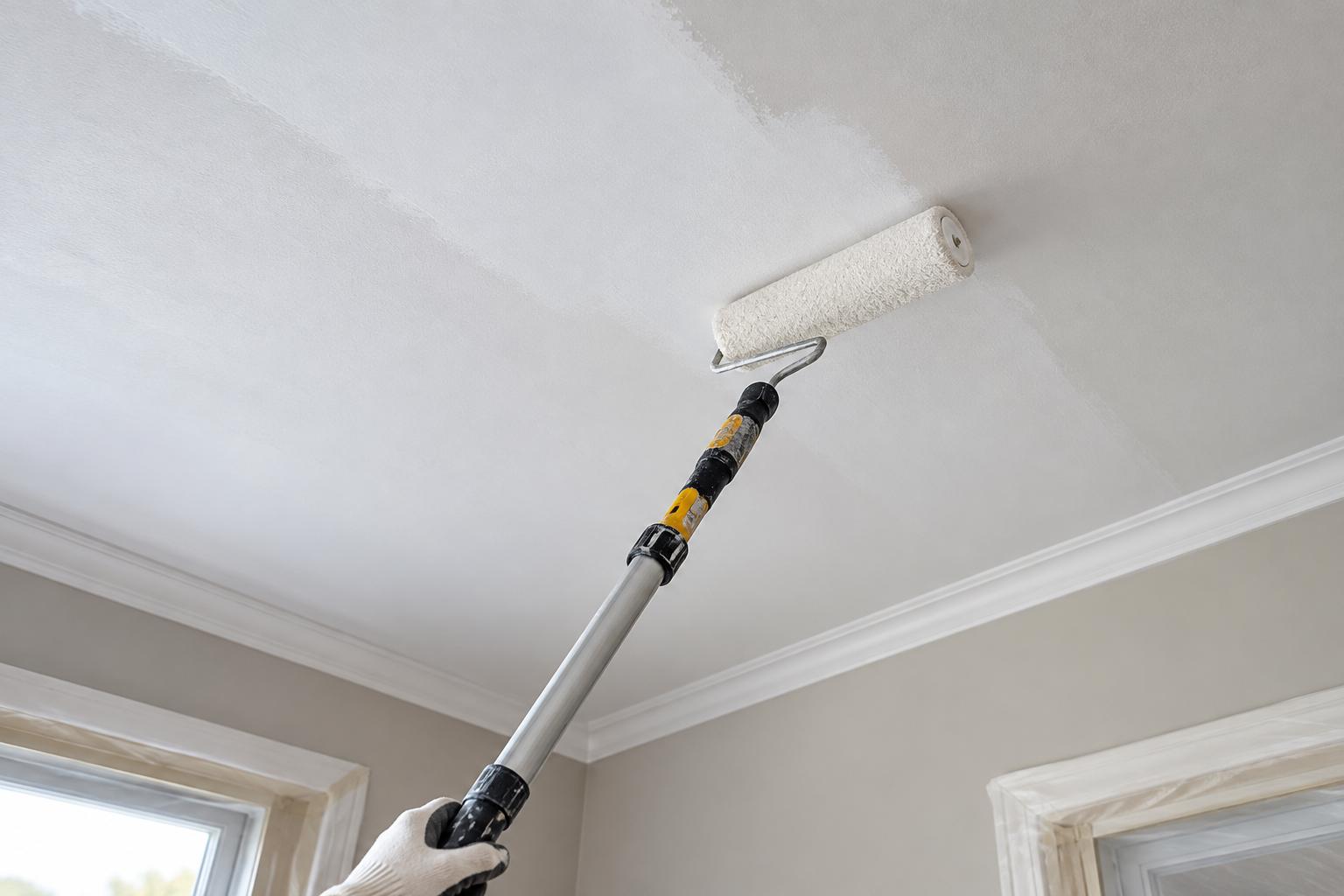
How to Paint a Ceiling Properly
Learn how to prepare a ceiling, choose the right roller and apply paint evenly with fewer visible marks.
Read article →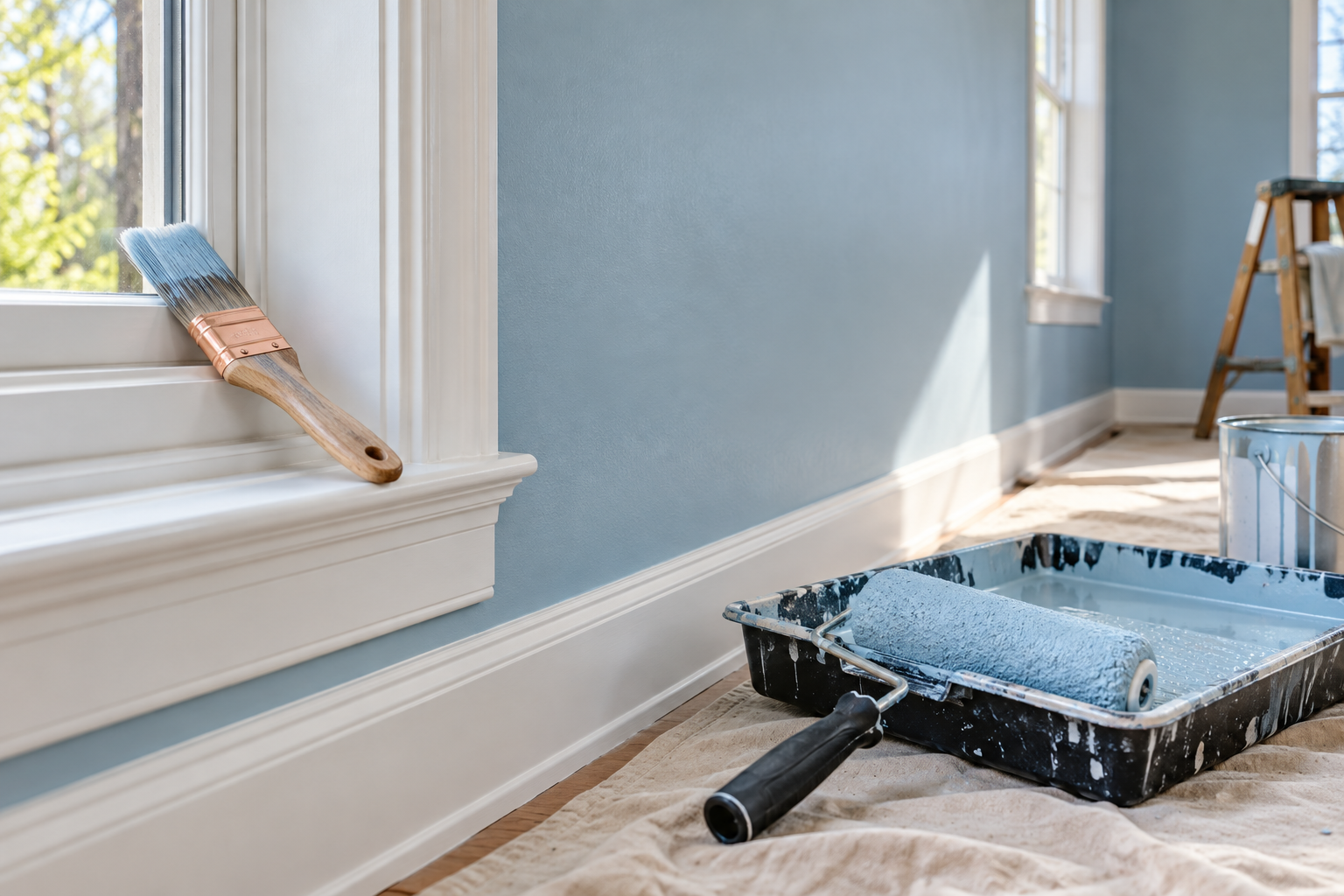
Brush or Roller — When Should You Use Each?
Learn when a brush is better for edges and details and when a roller is more efficient for large surfaces.
Read article →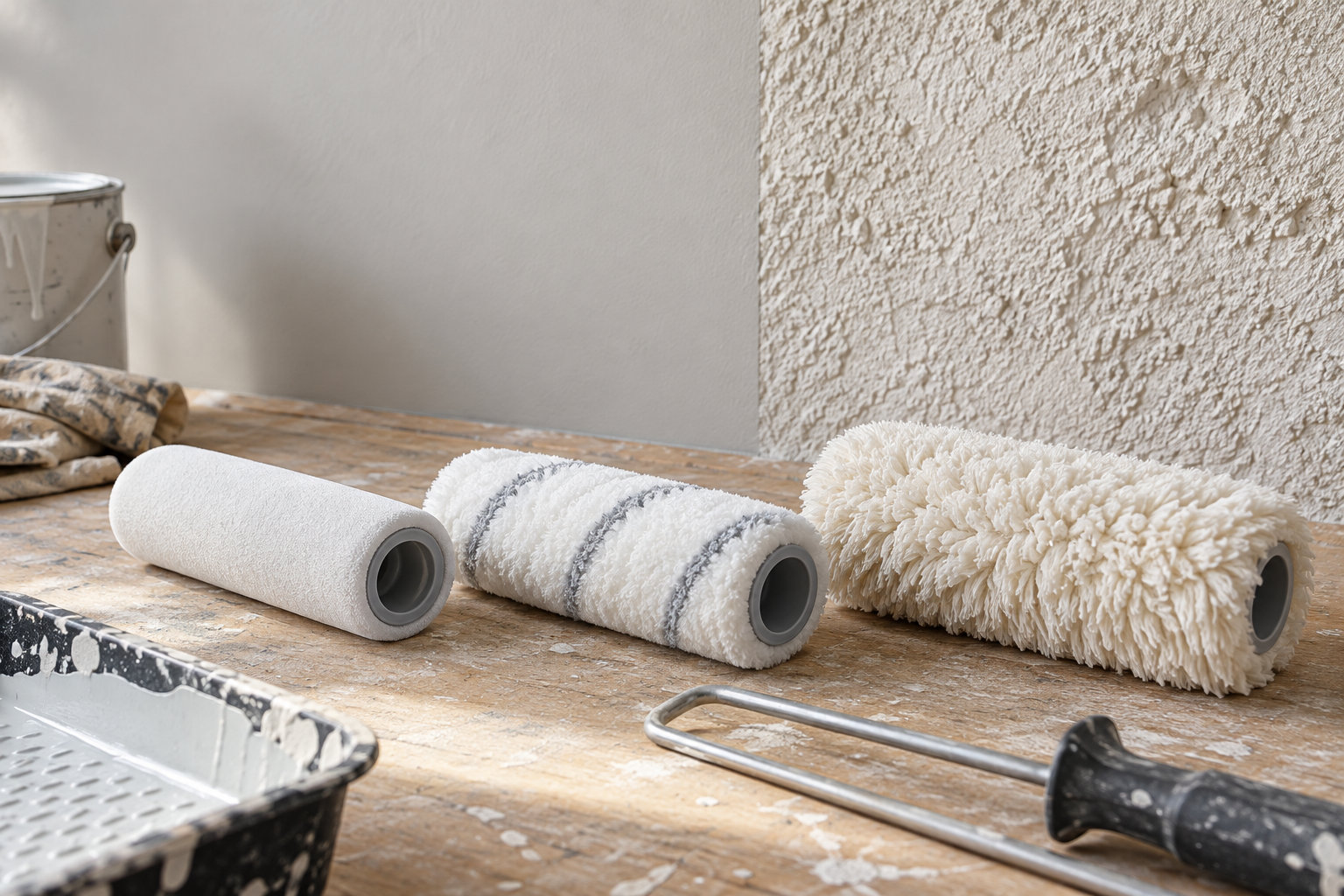
How to Choose the Right Paint Roller for Different Surfaces
Learn how roller nap length and material affect coverage on smooth, textured and rough surfaces.
Read article →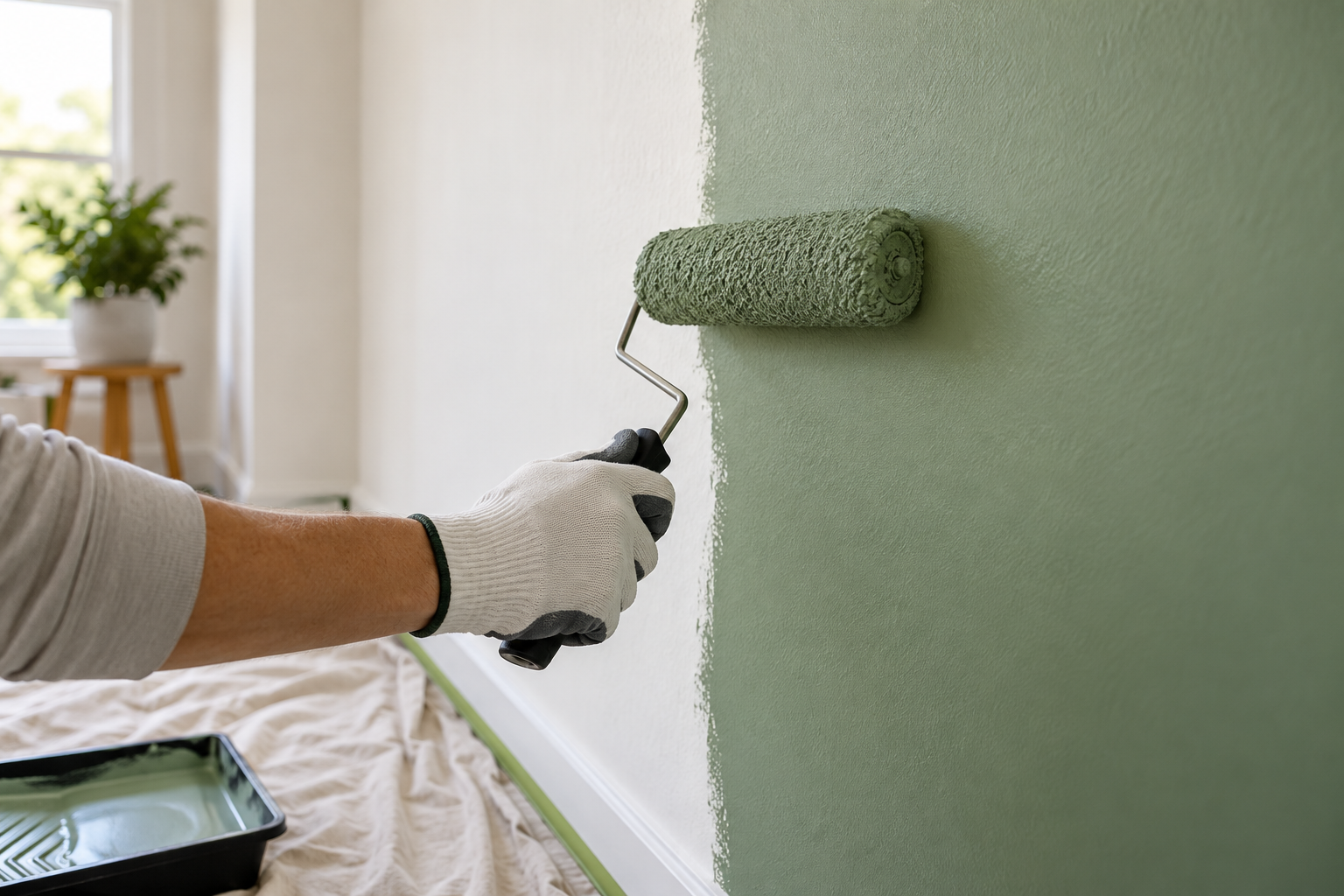
How to Paint a Wall Without Roller Marks
Learn how proper roller loading, wet-edge technique and even pressure help prevent roller marks.
Read article →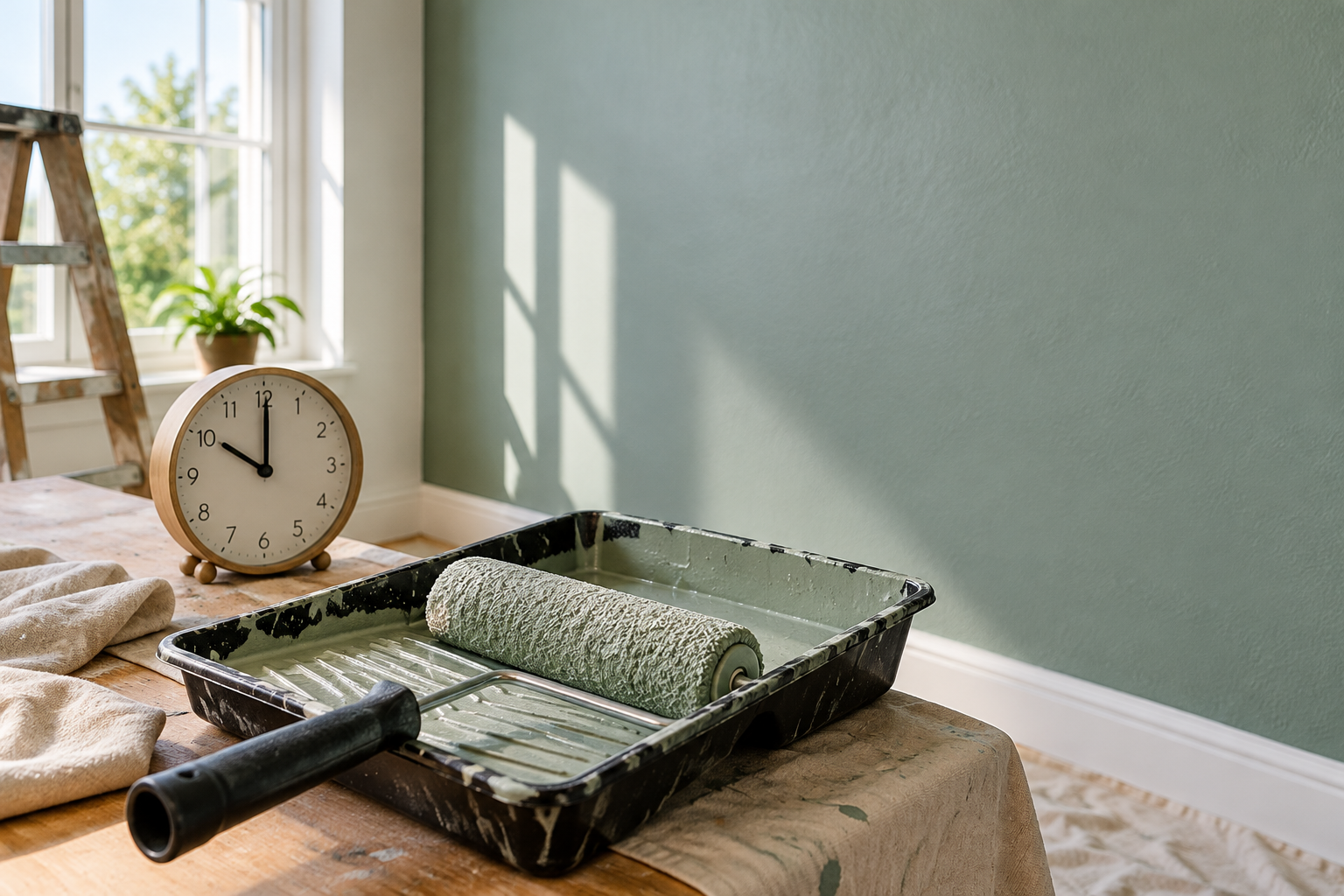
When Can You Apply the Second Coat of Paint?
Learn why recoat time matters and how temperature, humidity and paint type affect the waiting period.
Read article →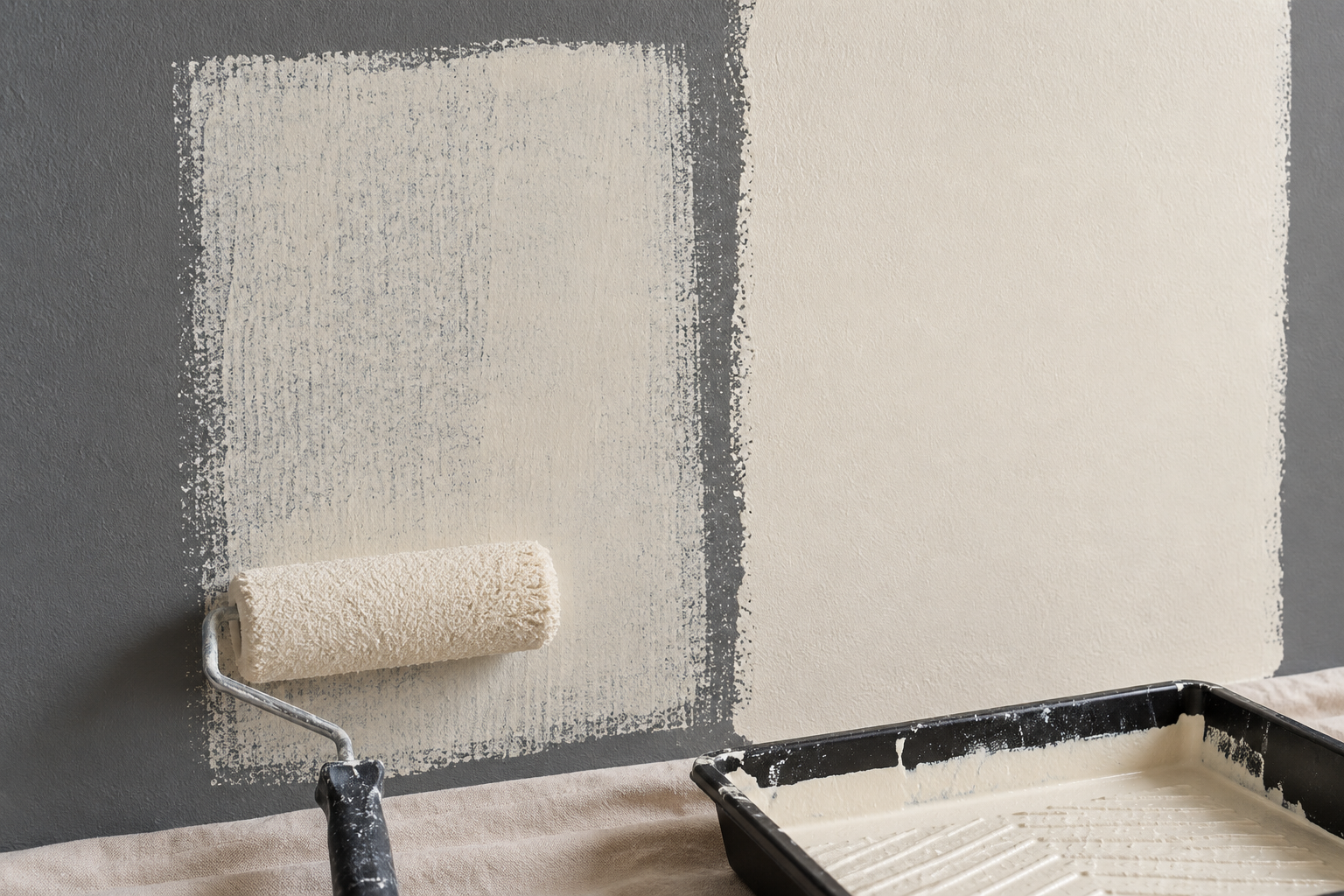
How Many Coats of Paint Are Needed?
Find out when one, two or more coats may be required and what affects paint coverage.
Read article →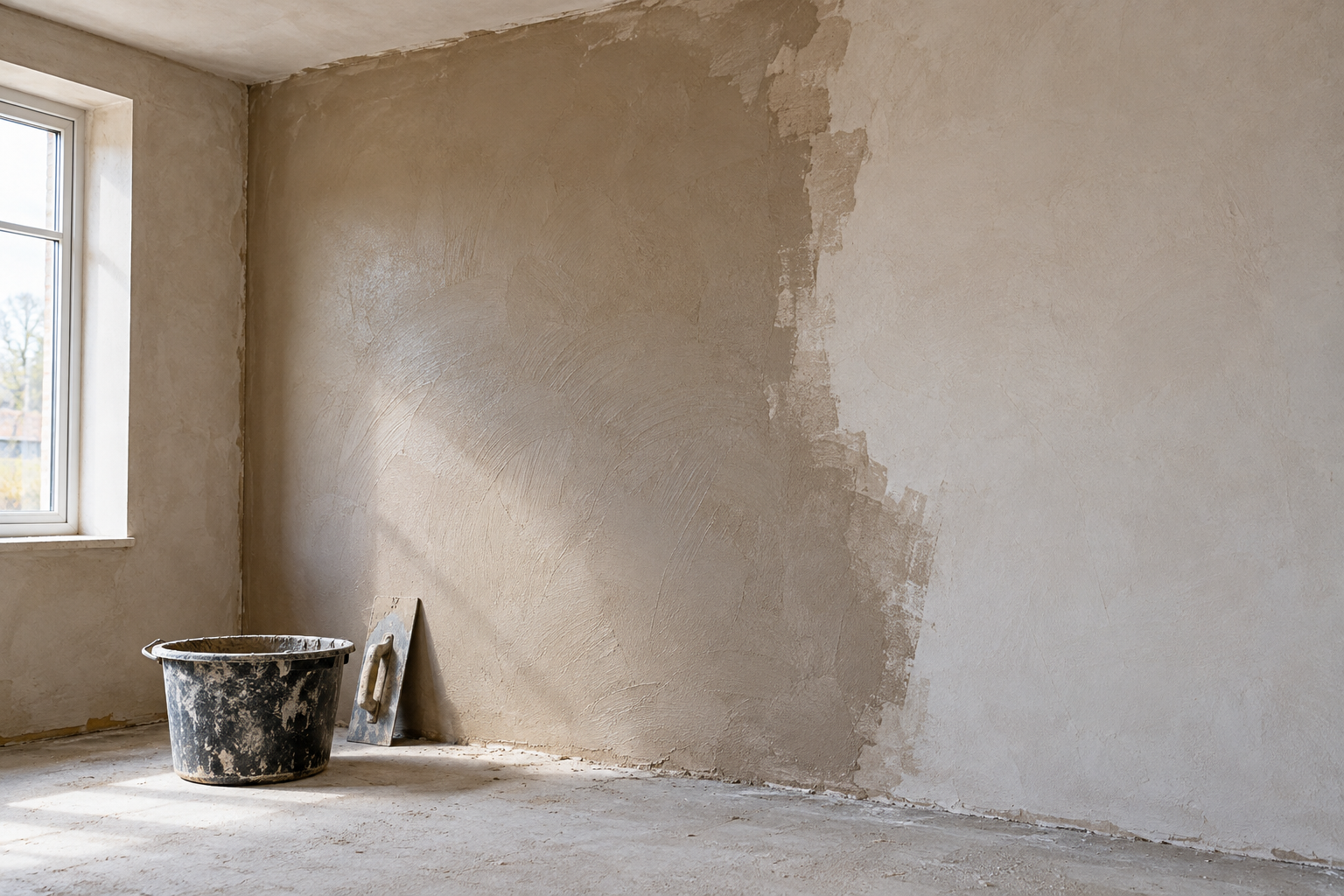
When Can Fresh Plaster Be Painted?
Learn why fresh plaster must dry fully before painting and what factors affect drying time.
Read article →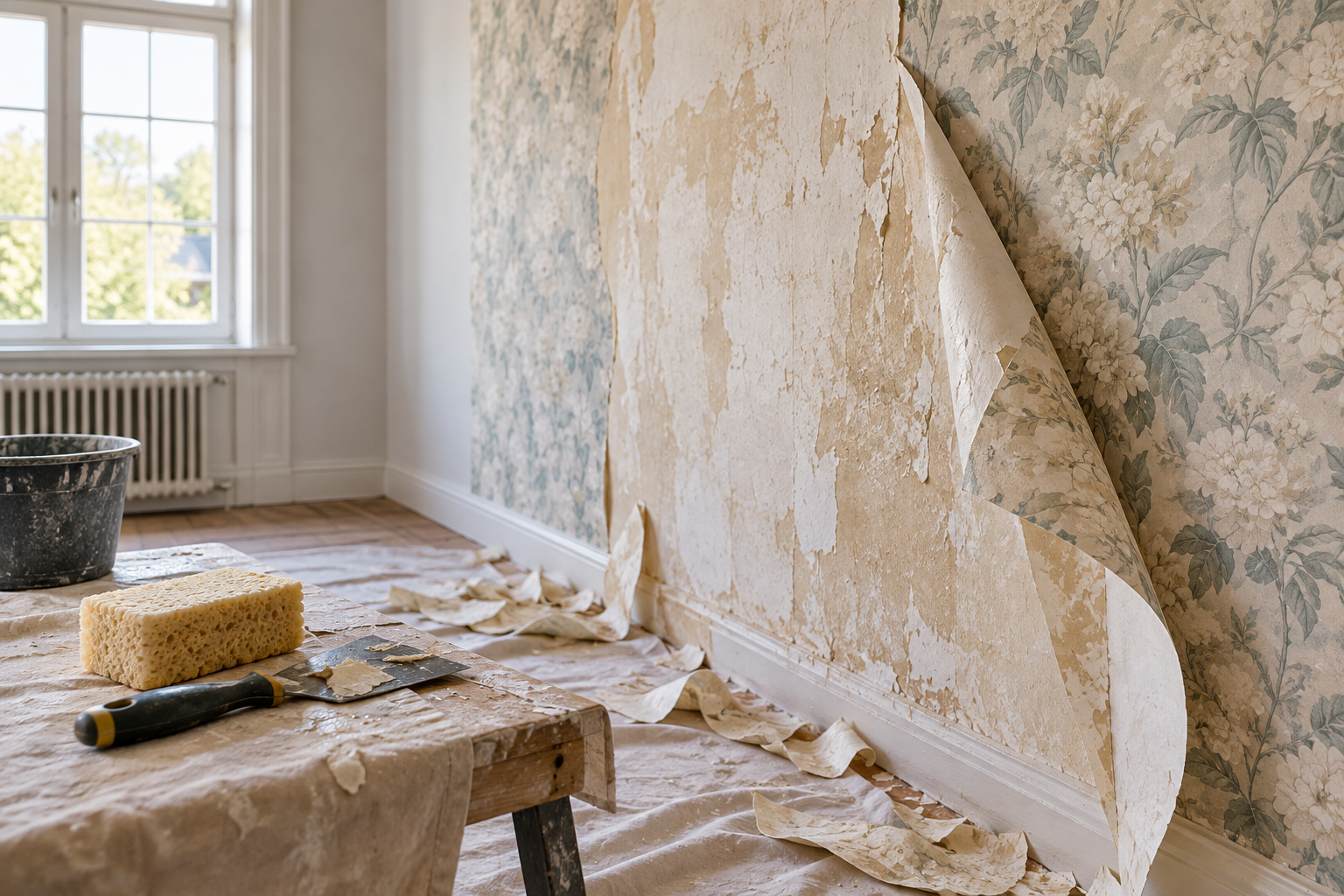
How to Prepare Walls After Removing Wallpaper
Learn how to remove adhesive residue, repair damage and prepare walls properly before painting.
Read article →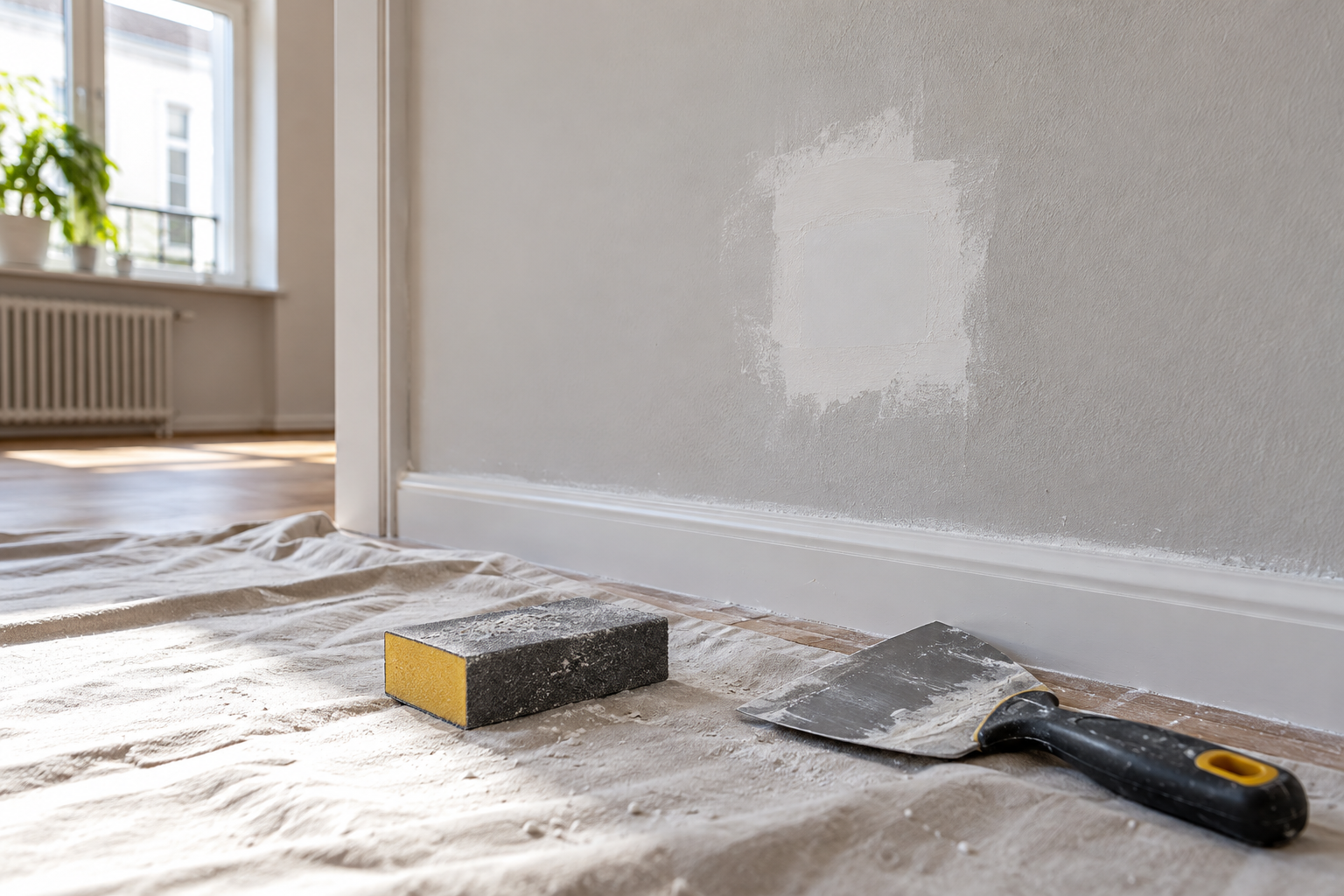
How to Prepare Drywall for Painting
Learn how to fill joints, sand, clean and prime drywall before painting for a smooth and even finish.
Read article →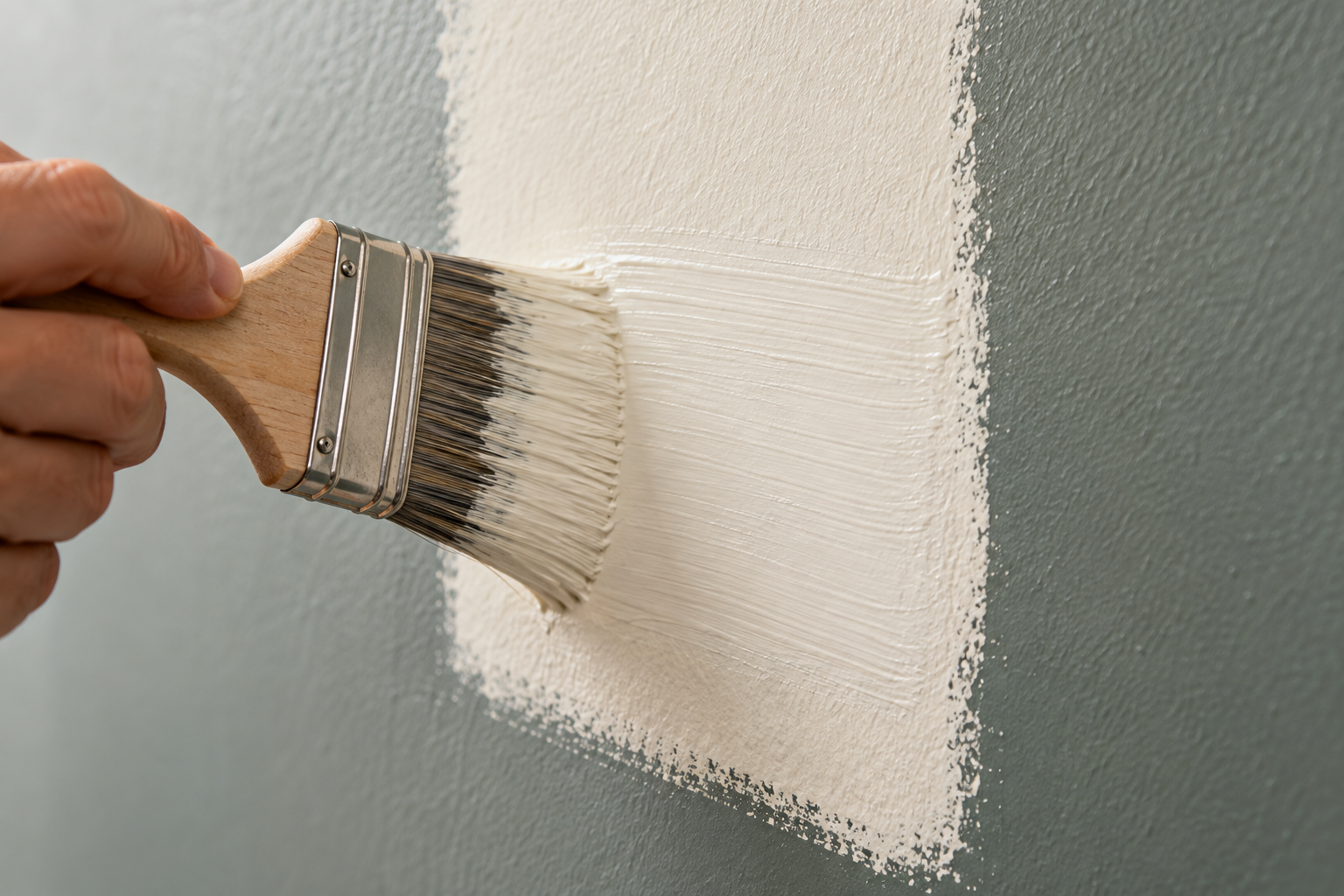
Can You Paint Over Old Paint?
Find out when you can paint directly over an existing coating and when cleaning, sanding, repairs or primer are required.
Read article →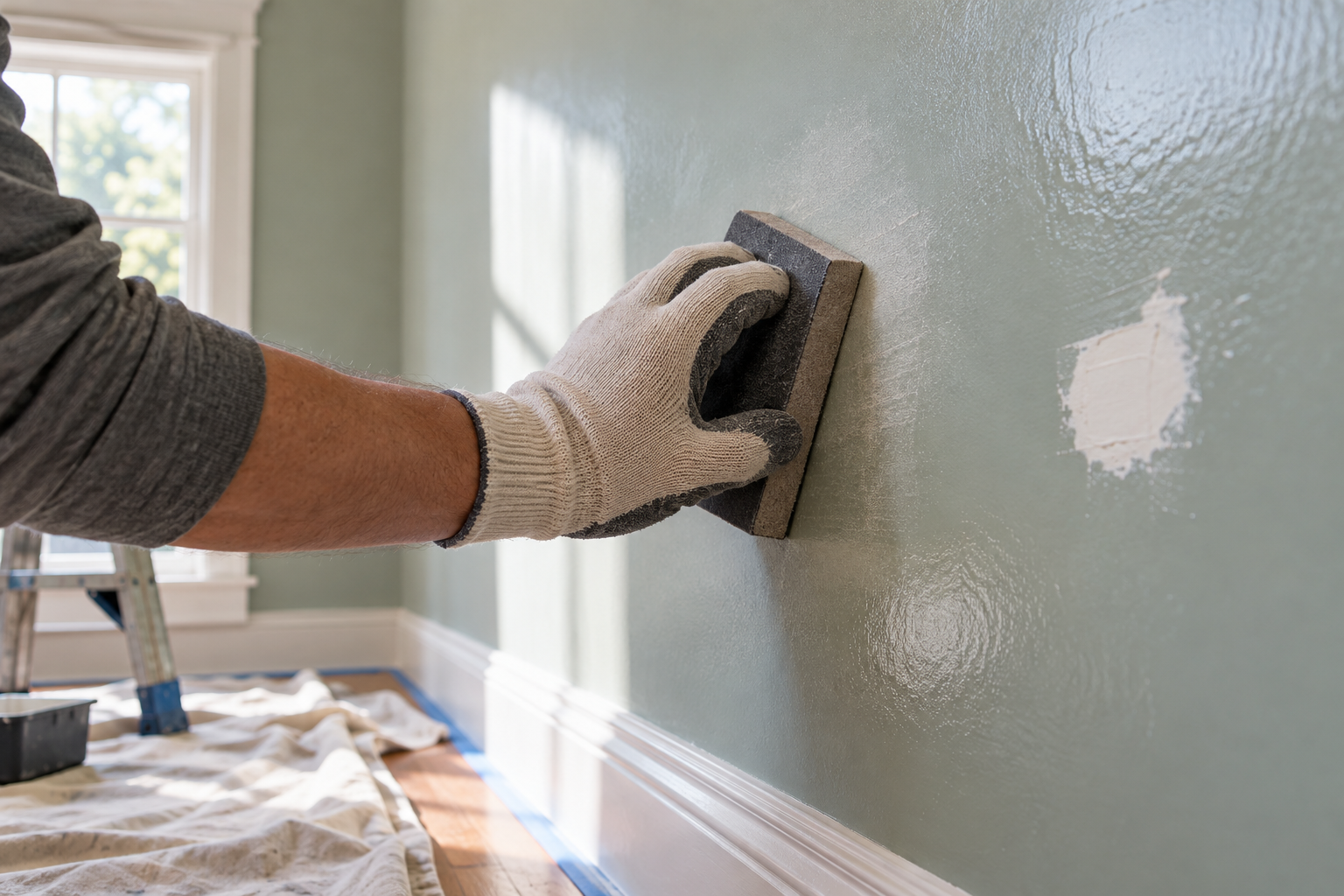
How to Prepare a Previously Painted Wall for Repainting
Learn how to clean, repair and prepare an already painted wall before applying a fresh coat.
Read article →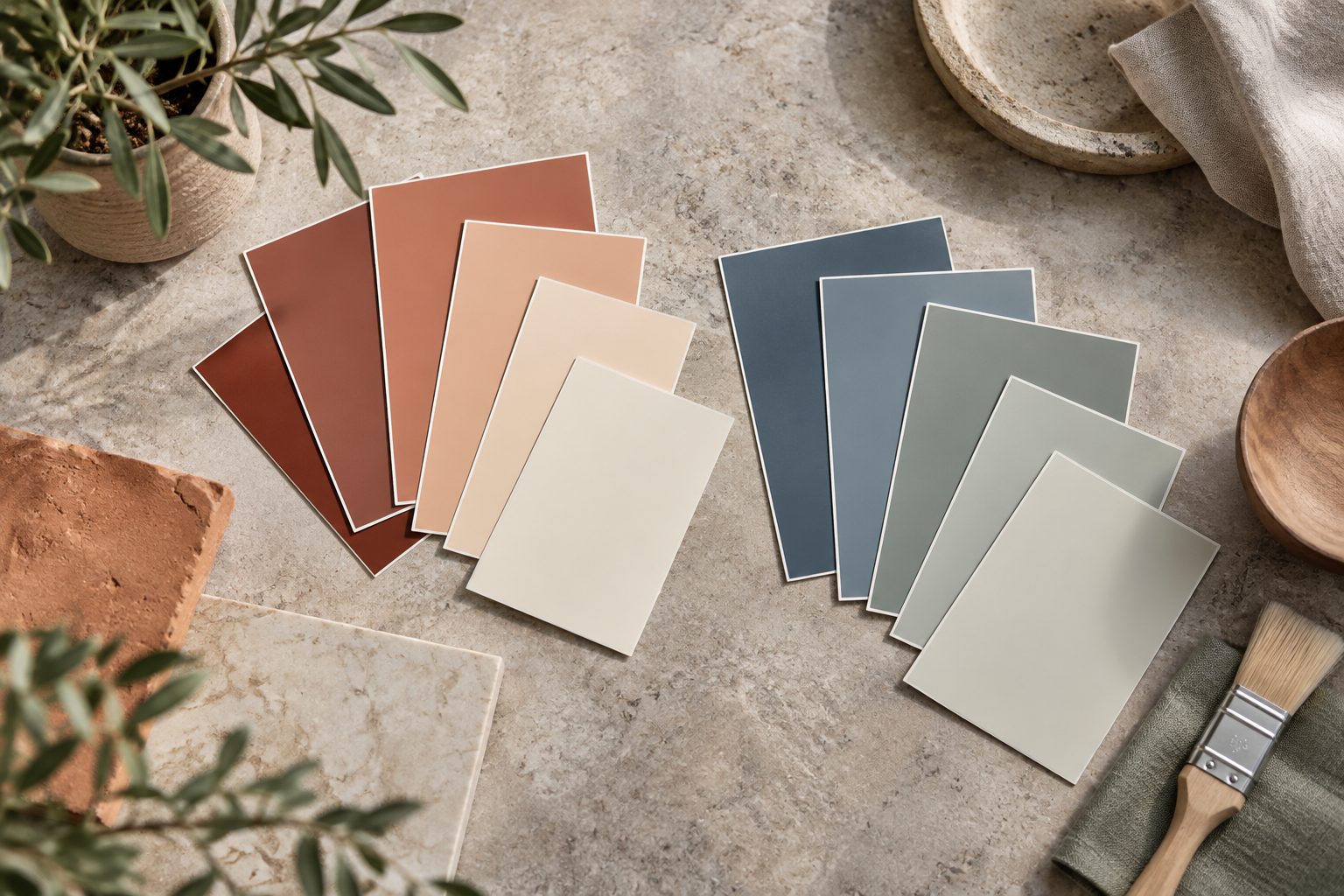
Warm vs. Cool Colors: Which Should You Choose?
Learn how warm and cool undertones affect a room and which type may work better with your lighting and interior.
Read article →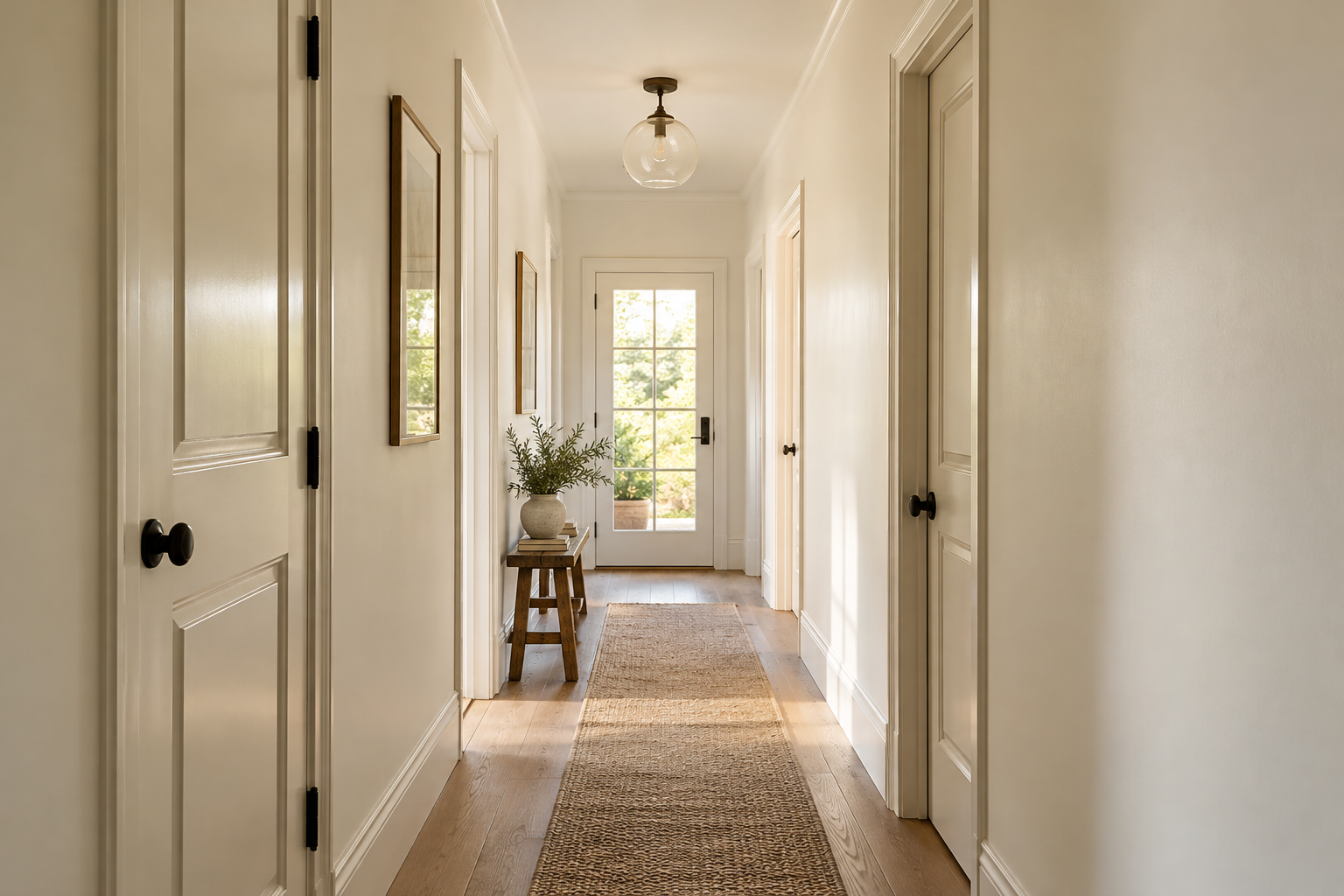
Which Colors Make a Room Look Bigger?
Discover which light, neutral and cool shades can make a room feel more open and spacious.
Read article →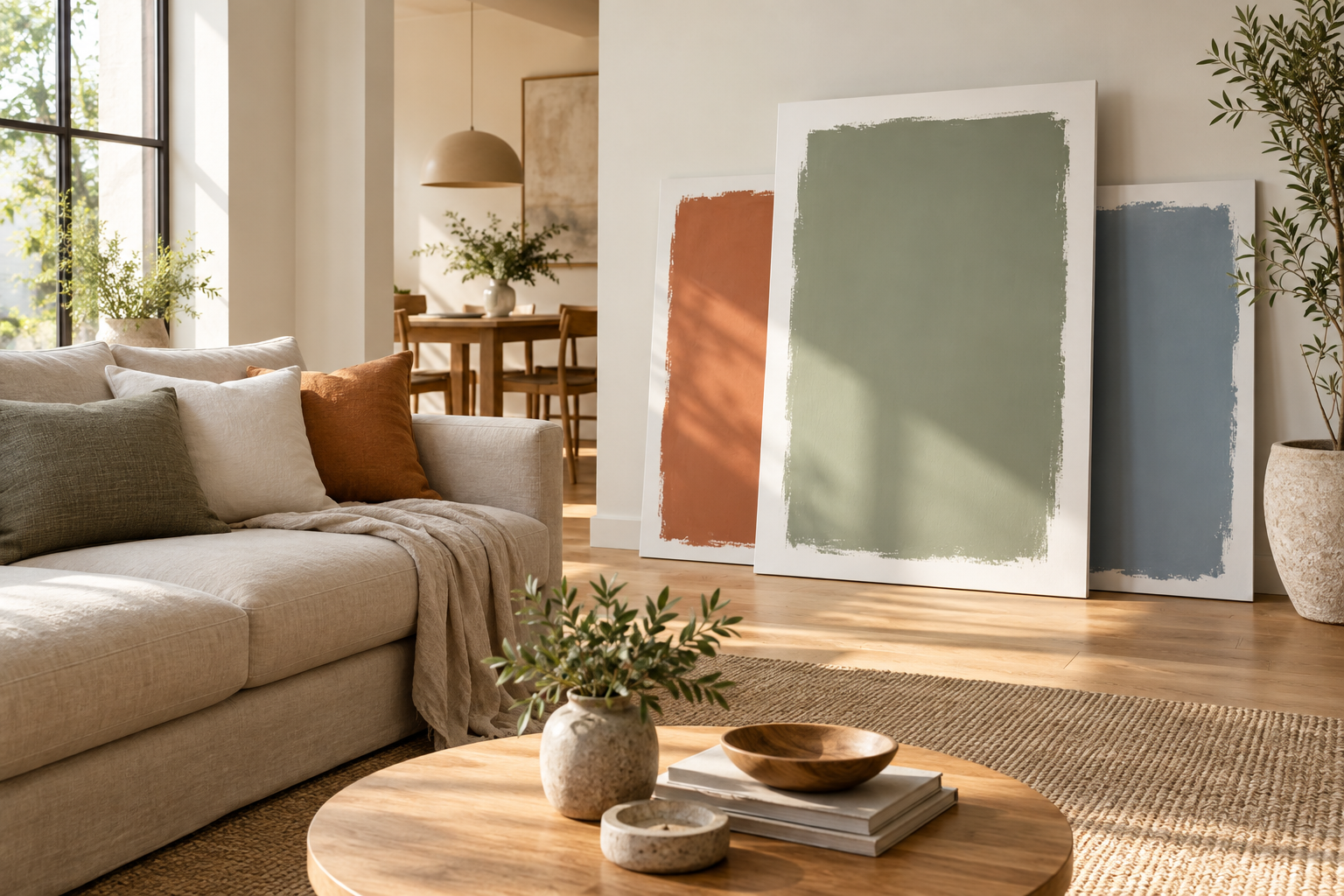
How to Test Paint Color Before Painting the Whole Room
Learn the best way to test paint on your wall before committing to a full room.
Read article →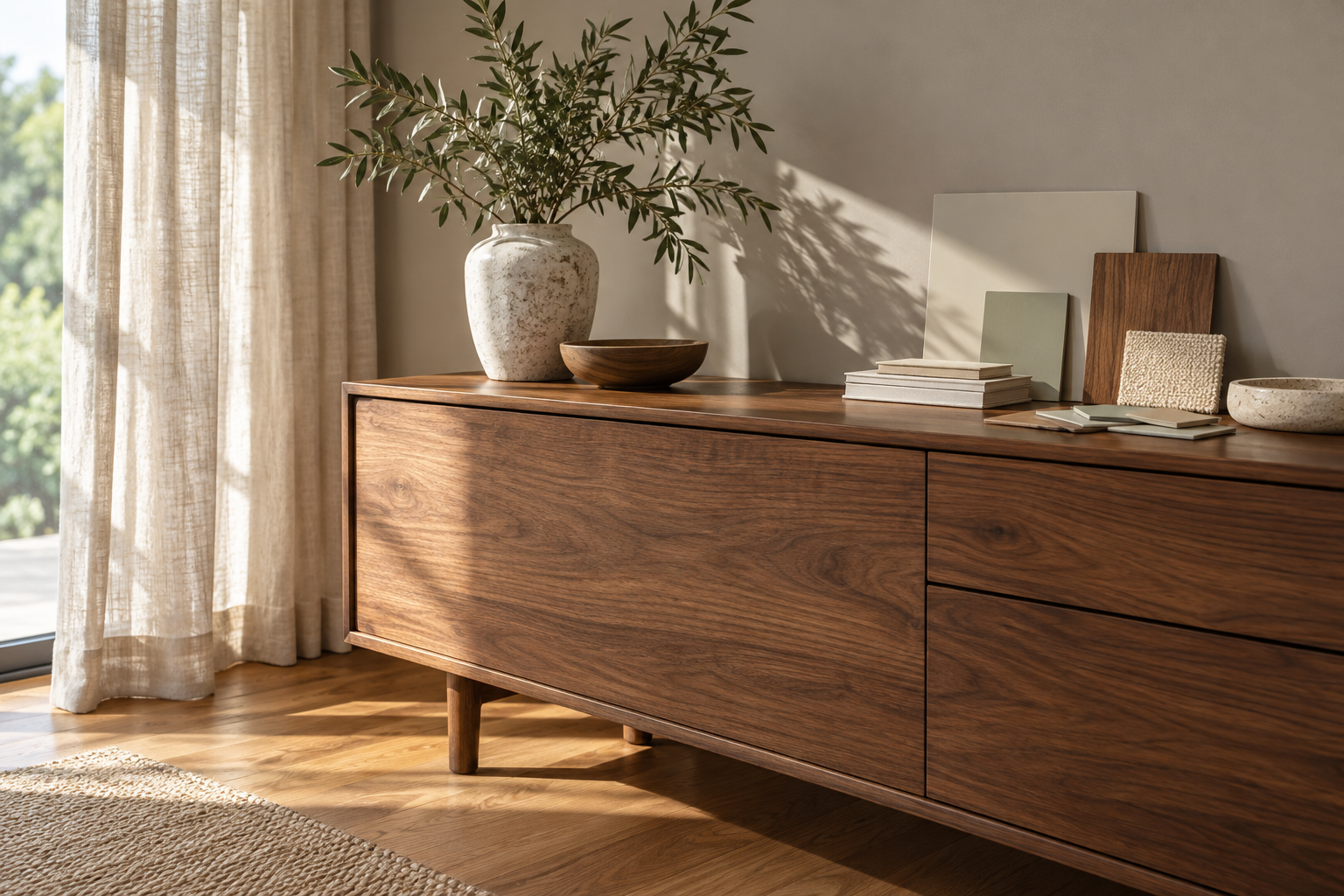
How to Match Wall Color with Furniture and Flooring
Learn how undertones, contrast and balance can help you coordinate wall colors with furniture and flooring.
Read article →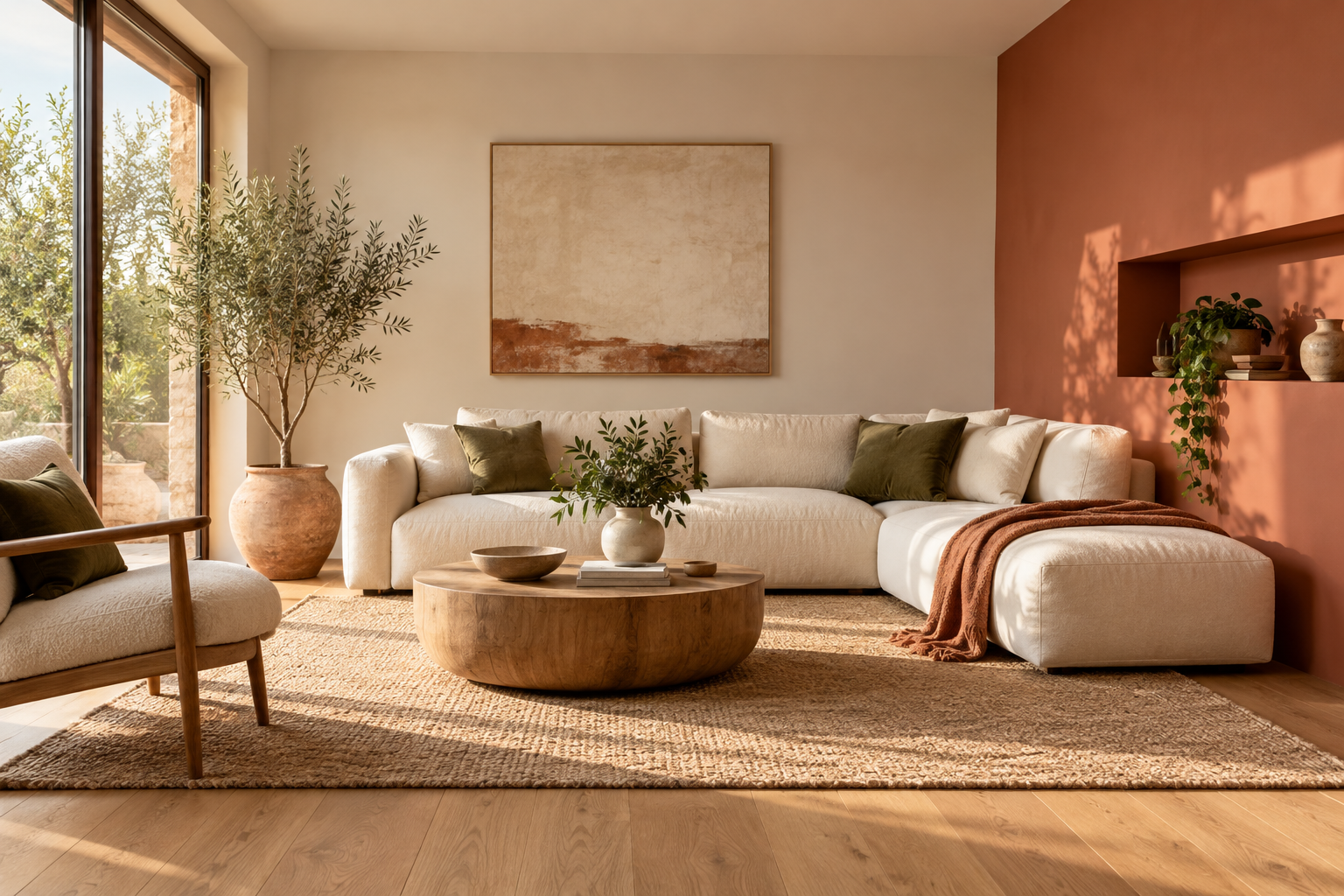
How to Combine Two or Three Colors in One Room
Learn how to create a balanced interior using a main color, a supporting shade and an accent color.
Read article →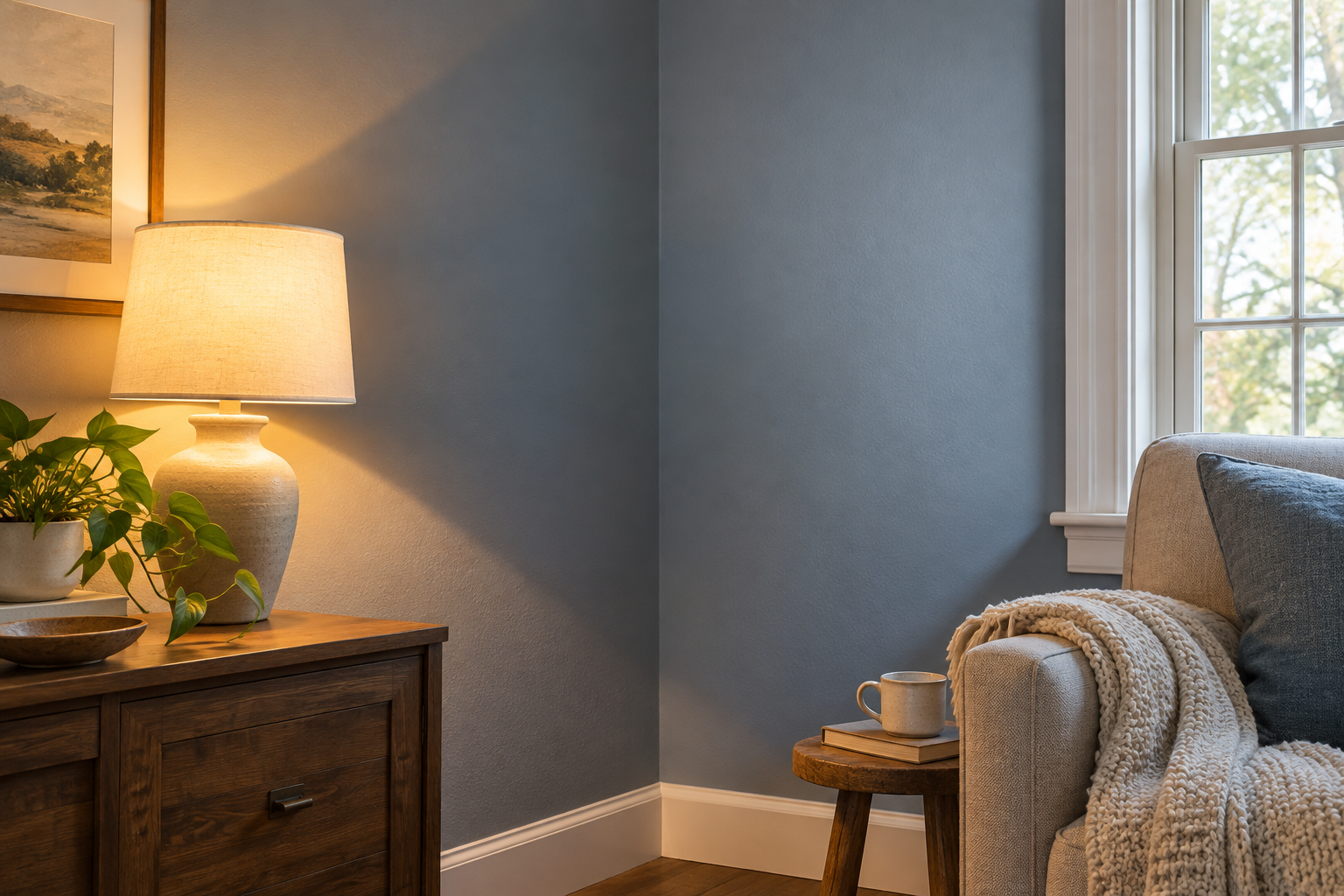
How Does Lighting Affect Paint Color?
See how daylight, warm bulbs and cool LEDs change the appearance of wall colors and how to test a shade correctly.
Read article →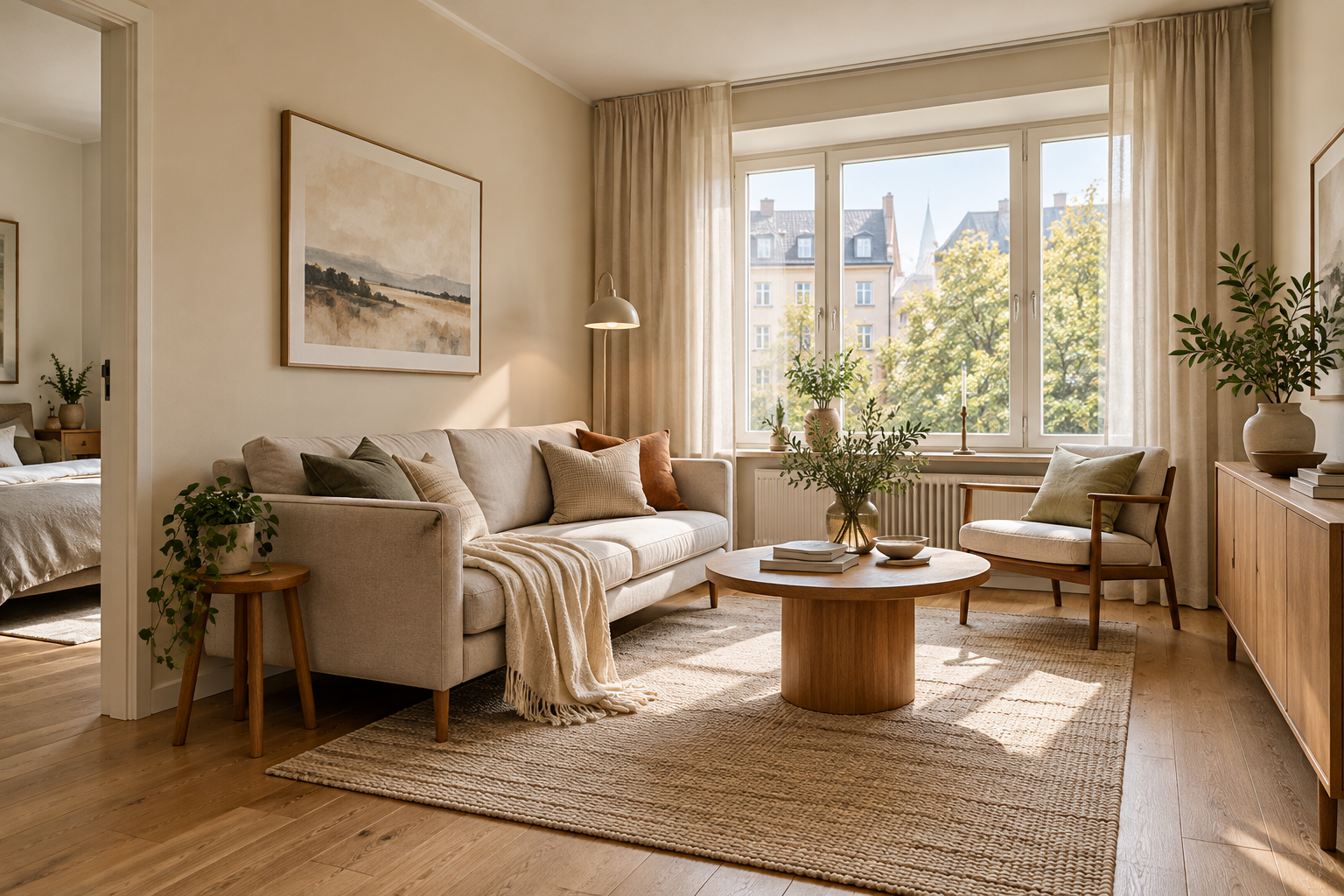
How to Choose the Right Color for a Small Room
Discover which colors can make a small room feel brighter and more spacious and how to balance walls, ceiling and furniture.
Read article →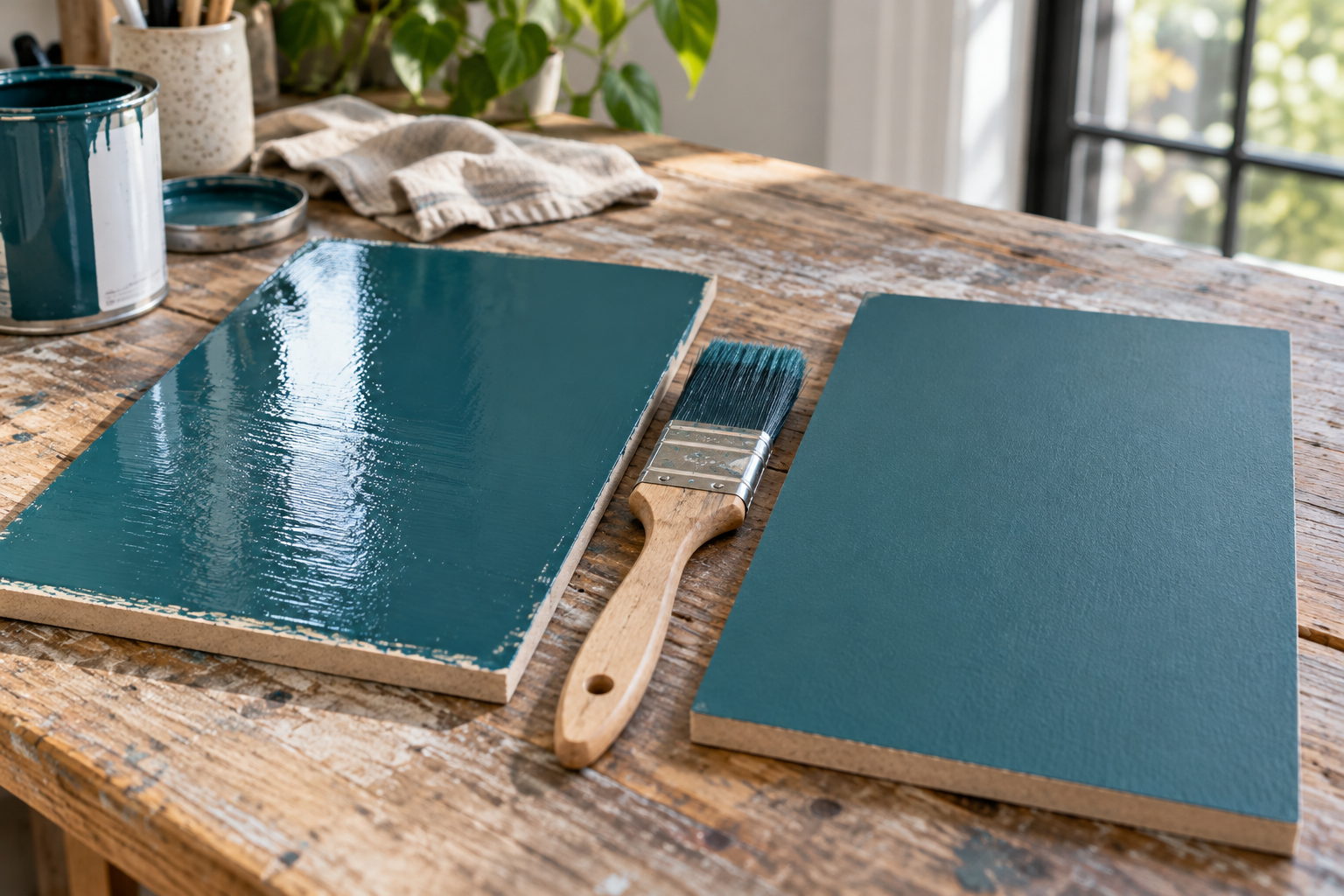
Why Does Paint Color Look Different After Drying?
Learn why wet and dry paint can look different and how lighting, sheen and the existing wall color affect the final result.
Read article →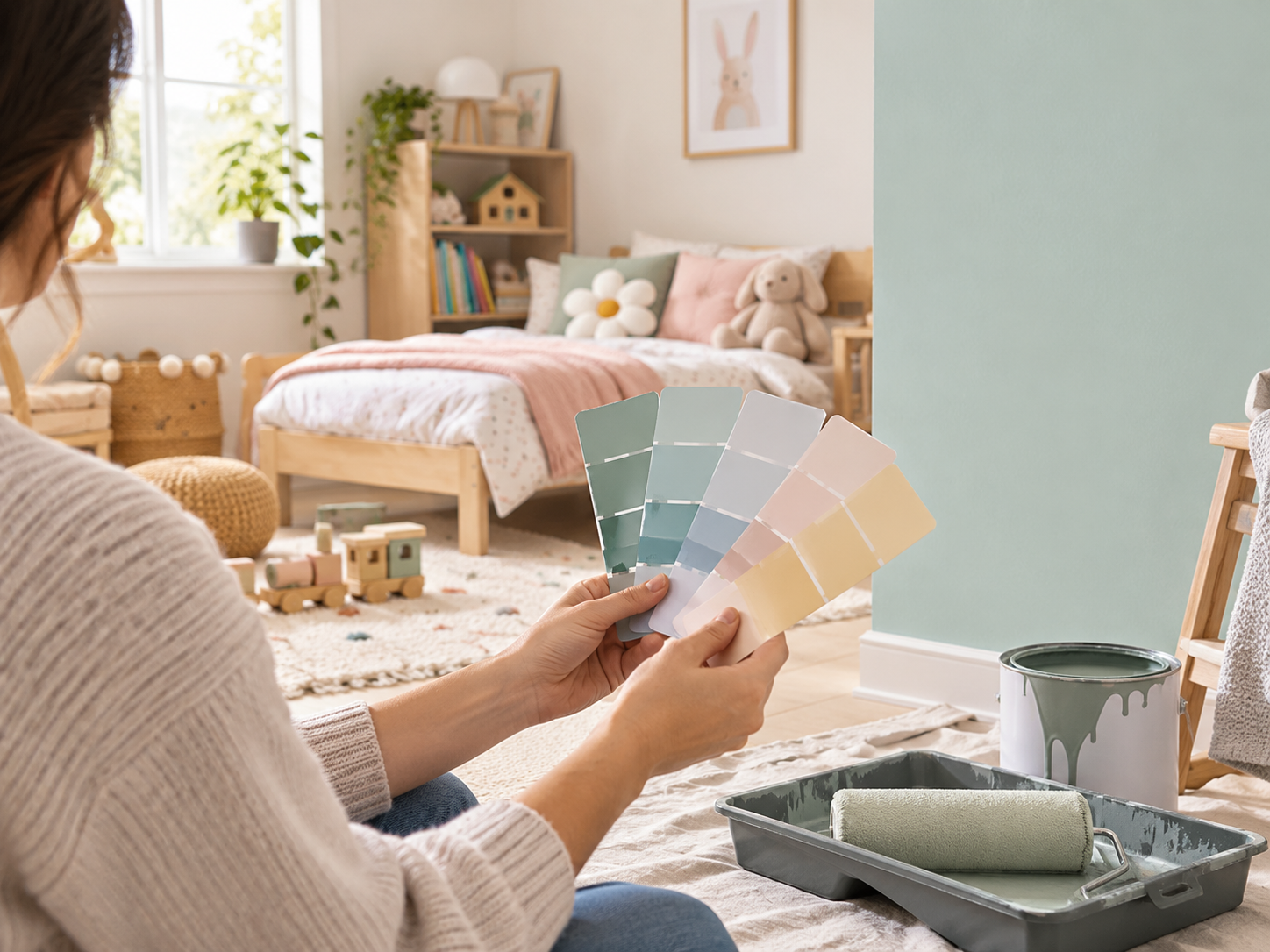
How to choose paint for a child’s room
For a child’s room, look beyond colour: consider washability, sheen, emissions, ventilation and proper surface preparation.
Read article →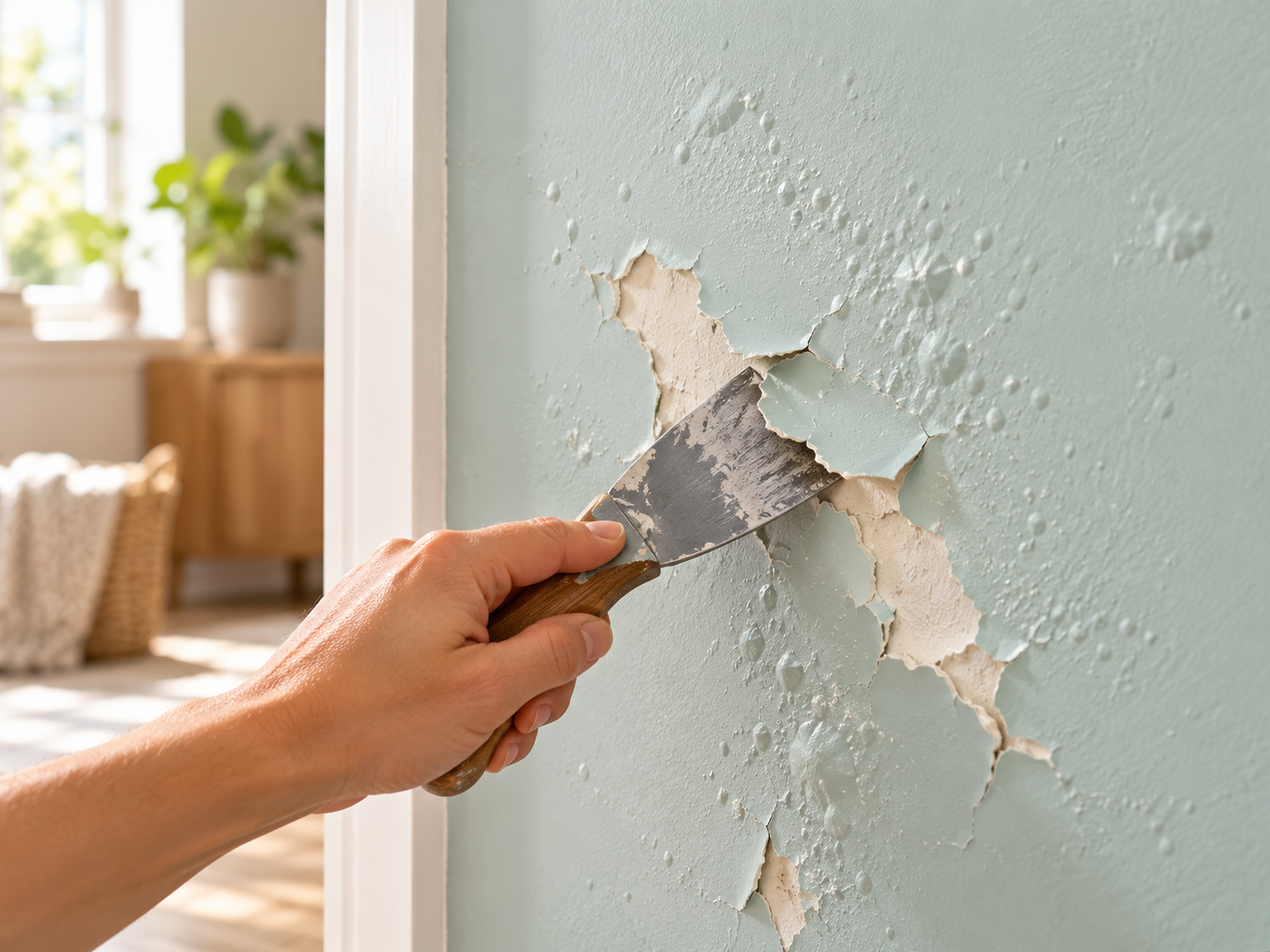
Why does paint bubble and peel from a wall?
Bubbling and peeling are often caused by the surface rather than the paint itself: moisture, poor adhesion, contamination or incorrect preparation.
Read article →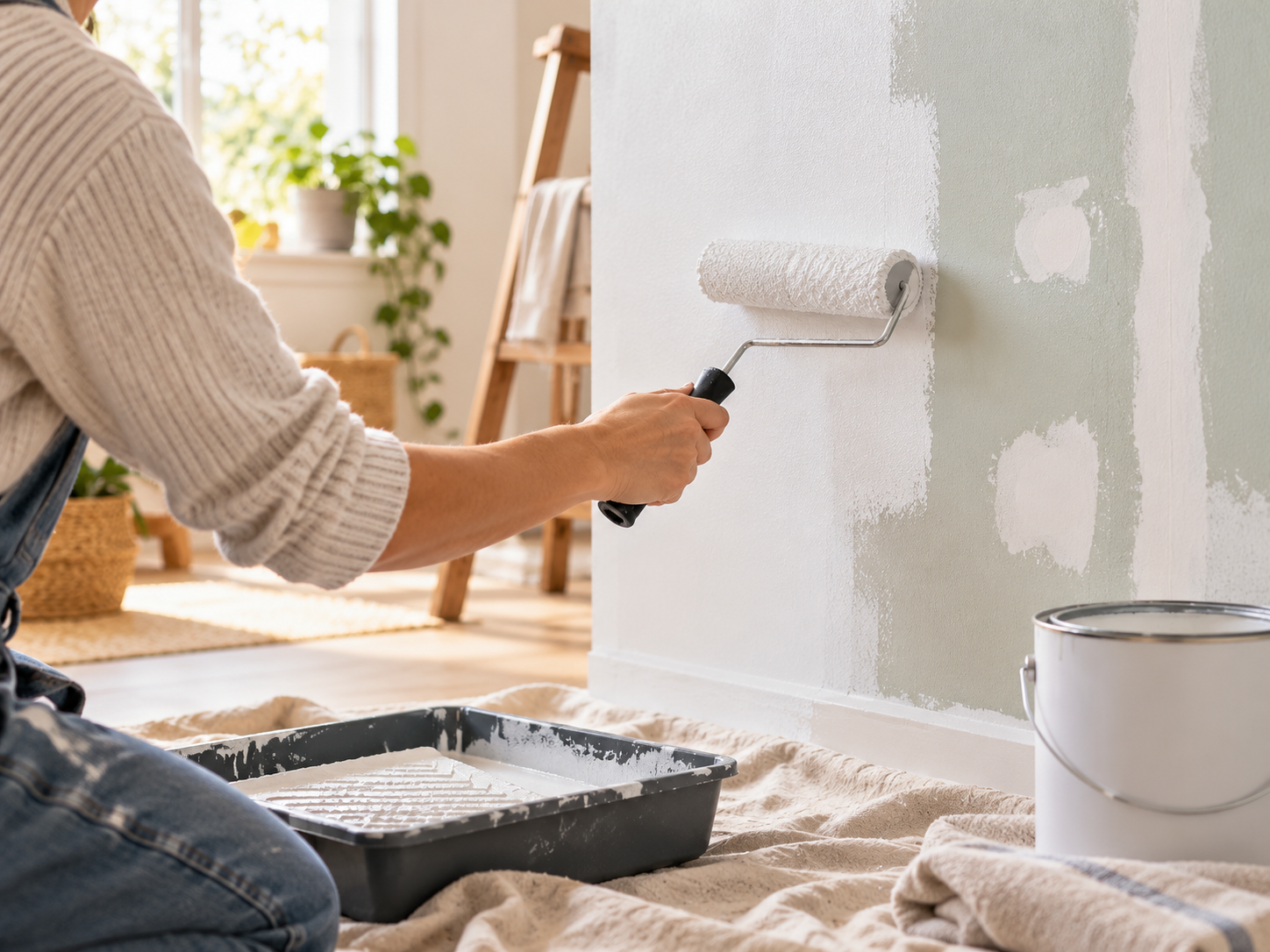
When do you need primer and how do you choose it?
Not every wall automatically needs primer, but new, porous, stained, glossy or repaired surfaces often benefit from the right primer.
Read article →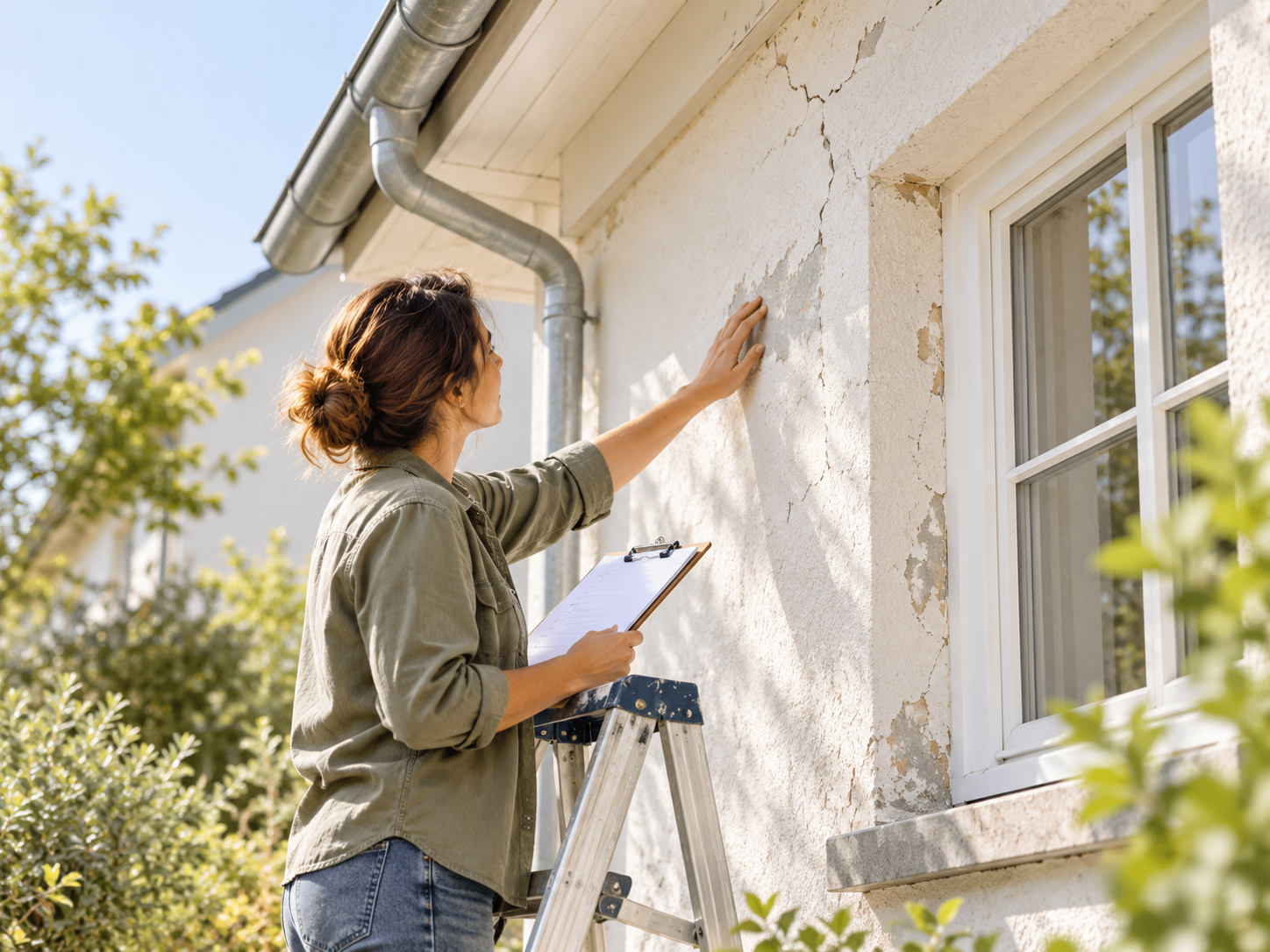
What should you check before painting a facade?
Before painting a facade, check moisture sources, cracks, the condition of the old coating, surface cleanliness and application weather.
Read article →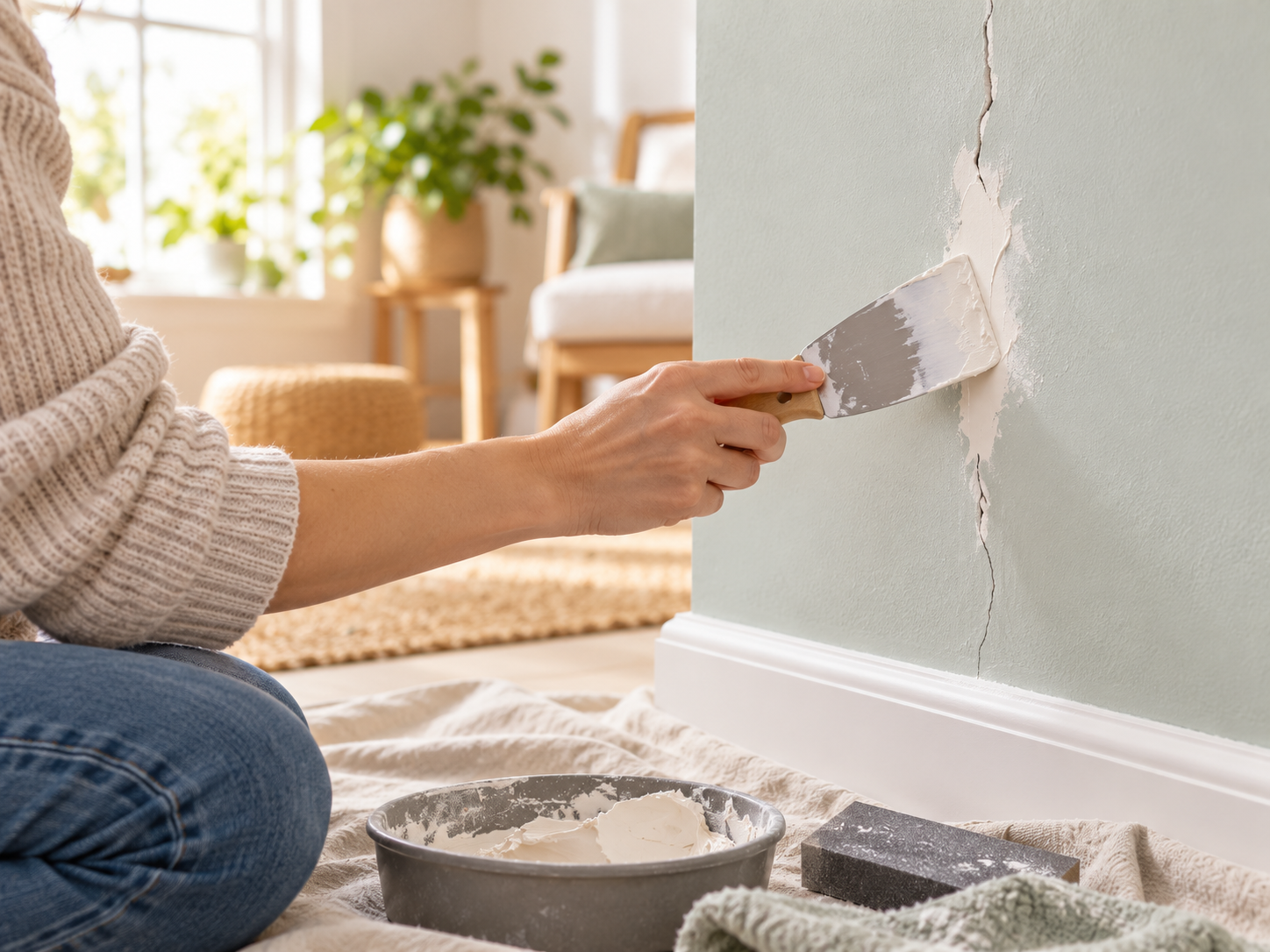
How to prepare a cracked wall for painting
Paint alone will not repair a crack. Remove loose material, repair the crack with a suitable filler, sand it smooth and prime where needed.
Read article →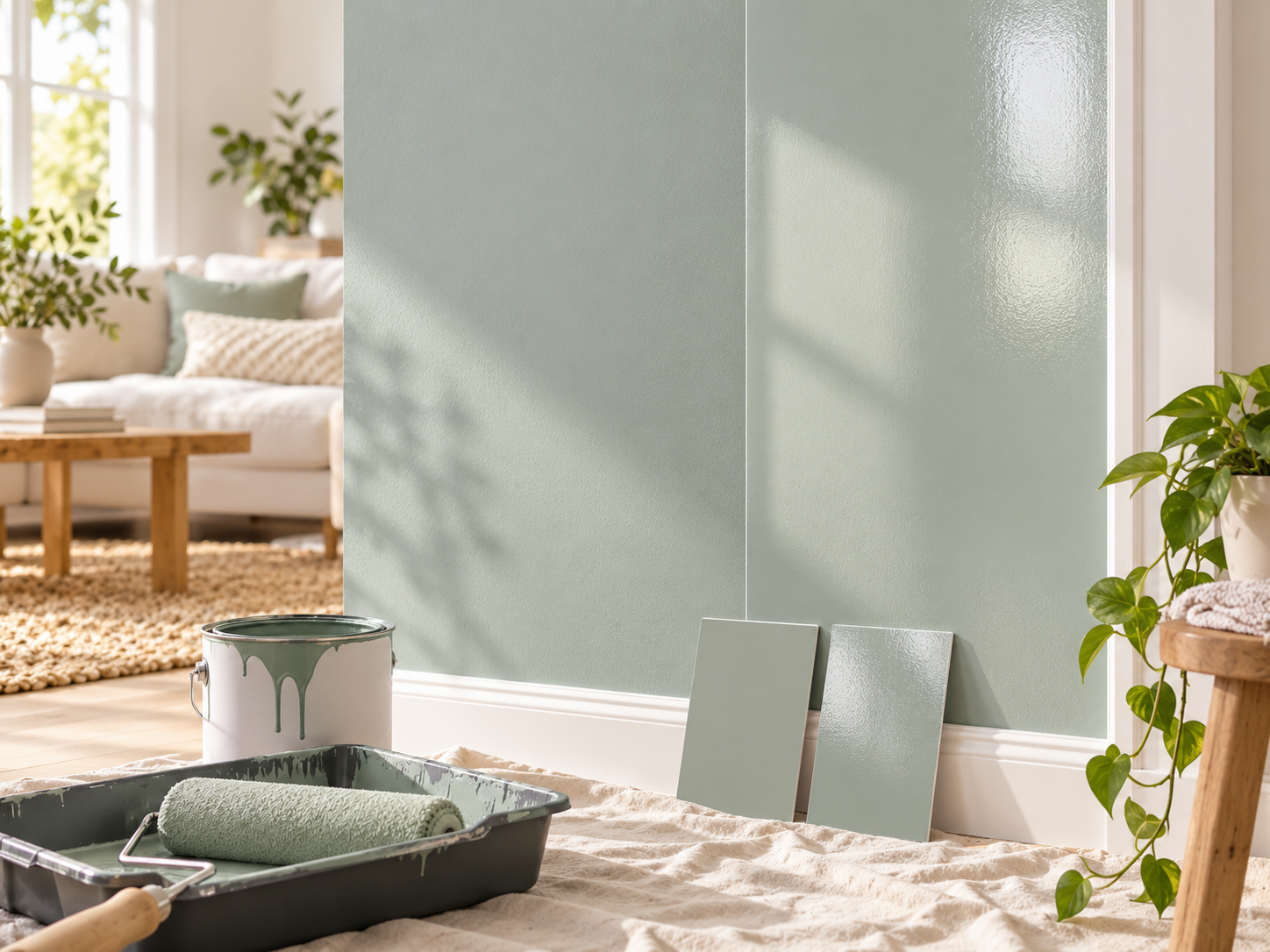
Matte or semi-gloss paint: which should you choose?
Matte hides imperfections better, while semi-gloss is generally easier to clean. The right choice depends on the room and the condition of the wall.
Read article →